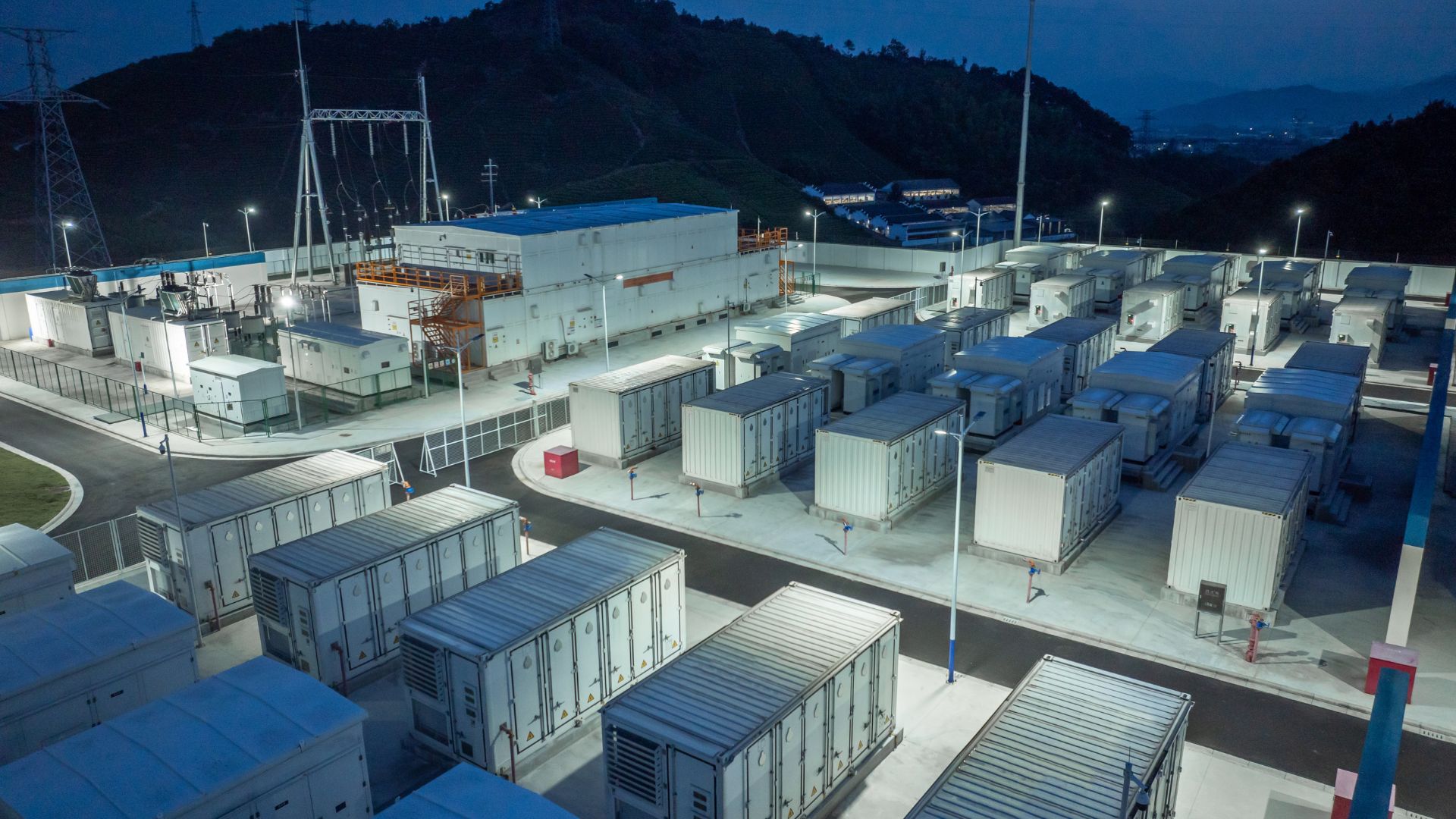
The Snowshoe BESS project has secured a major regulatory milestone after receiving site permit approval for construction of a 150 MW/600 MWh battery energy storage facility in Olmsted County, Minnesota. Valued at approximately $300 million, the project will strengthen grid reliability by storing excess renewable electricity and supplying power during periods of peak demand.
The development also supports Minnesota’s transition toward a cleaner energy system while improving the resilience of the regional transmission network. Once operational, the facility will rank among the state’s largest battery storage installations and play an important role in balancing intermittent renewable generation. State regulators approved the project after determining it meets environmental, land-use, and public interest requirements.
Snowshoe BESS project strengthens Minnesota’s electricity infrastructure
The Snowshoe BESS project will occupy about 28 acres in Kalmar Township, Olmsted County. It will deliver up to 150 MW of power and provide 600 MWh of energy storage capacity.
The battery system will store electricity when renewable generation exceeds demand. It will then release that electricity during peak consumption periods or when renewable output declines.
As a result, utilities will gain greater flexibility to manage fluctuations across the regional electricity network. The project will also improve system reliability during extreme weather and unexpected supply interruptions.
The facility will connect to the Midcontinent Independent System Operator (MISO) transmission system. Consequently, it will participate in wholesale electricity markets while providing essential ancillary services such as frequency regulation and operating reserves.
Construction will include battery containers, power conversion systems, transformers, underground electrical infrastructure, security systems, drainage works, communications equipment, access roads, and supporting civil works.
Developers will also install advanced battery management and fire protection systems. These technologies will continuously monitor battery performance and maintain safe operating conditions throughout the facility’s lifespan.
The Minnesota Public Utilities Commission granted the site permit following environmental reviews and public consultations. Regulators concluded that the project satisfies state permitting requirements while minimizing impacts on surrounding land uses.
Snowshoe BESS project reflects growing investment in battery storage construction
Battery energy storage has become an essential component of modern electricity infrastructure across the United States. Utilities increasingly rely on large-scale storage to improve grid stability while expanding renewable energy generation.
Unlike conventional power plants, battery systems respond almost instantly to changing electricity demand. Therefore, operators can stabilize voltage and frequency without relying heavily on fossil fuel peaking facilities.
The Snowshoe BESS project supports Minnesota’s clean energy objectives by enabling greater integration of wind and solar generation. Instead of curtailing excess renewable electricity, the battery will capture and store that energy for later use.
Furthermore, the project will reduce congestion on transmission infrastructure during periods of high electricity demand. This flexibility helps utilities improve operational efficiency while lowering overall system costs.
Industry estimates place the construction value at approximately $300 million, based on current utility-scale battery installation costs for projects of similar size across North America.
Construction activities will create employment opportunities for engineers, electricians, civil contractors, environmental specialists, equipment suppliers, and commissioning teams. Local businesses are also expected to benefit through procurement and support services.
The project joins a growing pipeline of utility-scale battery developments across the United States. Similar investments, including the Vistra battery storage project, demonstrate how developers are expanding large-scale energy storage to improve grid reliability and support greater renewable energy integration.
Snowshoe BESS project prepares Minnesota for future electricity demand
Electricity demand continues to rise as transportation, manufacturing, and digital industries increase electrification. Consequently, utilities require more flexible infrastructure to maintain reliable service.
Large-scale battery storage offers one of the fastest and most efficient solutions. Batteries store surplus electricity during low-demand periods before delivering it when demand increases.
The Snowshoe BESS project will complement ongoing investments in renewable generation and transmission upgrades across Minnesota. Together, these developments will strengthen the state’s ability to deliver reliable and affordable electricity.
In addition, battery storage reduces dependence on natural gas peaking plants and supports long-term emissions reduction goals. This combination improves both energy security and environmental performance.
Following regulatory approval, the developer will advance detailed engineering, procurement, and construction activities before equipment installation and grid interconnection. Commissioning will include comprehensive testing to verify safety, reliability, and operational performance before commercial operation begins.
As utilities continue modernizing electricity infrastructure, projects such as the Snowshoe BESS project will become increasingly important. Their ability to balance renewable generation and improve grid resilience positions battery storage as a critical element of the future energy mix across the United States.
Also read: $3.5bn US Solar Storage Financing Powers Cypress Creek Large-Scale Renewable Construction Expansion
Project Fact Sheet
Name: Snowshoe BESS Project
Project value: Approximately $300 million
Location: Kalmar Township, Olmsted County, Minnesota, USA
Project type: Utility-scale Battery Energy Storage System (BESS)
Storage capacity: 600 MWh
Power capacity: 150 MW
Site area: Approximately 28 acres
Primary purpose: Store renewable electricity and improve grid reliability
Grid connection: Midcontinent Independent System Operator (MISO) transmission network
Key infrastructure: Battery containers, inverters, transformers, underground electrical systems, communications infrastructure, access roads, drainage systems, security installations, control systems, and fire protection equipment
Electricity services: Peak shaving, frequency regulation, operating reserves, renewable energy integration, and grid balancing
Current status: Site permit approved by the Minnesota Public Utilities Commission; detailed engineering and construction preparations expected to proceed next
Expected benefit: Increased grid resilience, improved renewable energy integration, and enhanced electricity reliability across southeastern Minnesota
Project Team
Owner: Snowshoe BESS, LLC
Project developer: Spearmint Energy
Parent company: Spearmint Energy
Permitting authority: Minnesota Public Utilities Commission (PUC)
Environmental permitting agency: Minnesota Department of Commerce – Energy Environmental Review and Analysis
Regional transmission operator: Midcontinent Independent System Operator (MISO)
Host jurisdiction: Olmsted County and Kalmar Township, Minnesota
Engineering consultant: To be announced
EPC contractor: To be announced
Battery technology supplier: To be announced
Power conversion system supplier: To be announced
Electrical contractor: To be announced
Civil works contractor: To be announced
Operations and maintenance provider: Snowshoe BESS, LLC



Leave a Reply