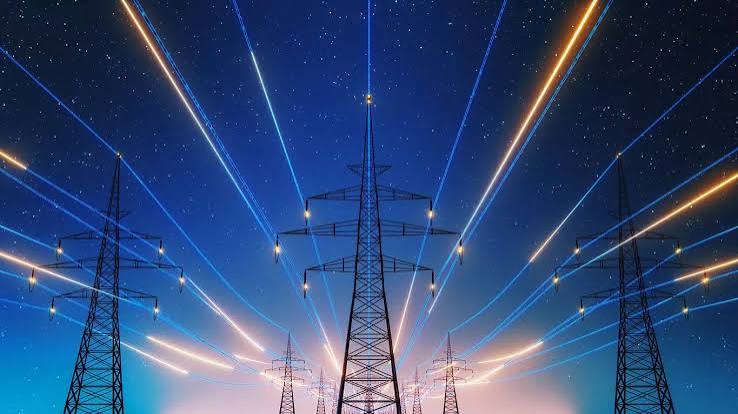
Construction has begun on SWIP-North, a $1 billion-plus, 285-mile, 500-kilovolt transmission line linking Idaho Power’s Midpoint Substation in southern Idaho with NV Energy’s Robinson Summit Substation near Ely, Nevada. Developed by LS Power affiliate Great Basin Transmission, the project is expected to enter service in 2028 and complete a 576-mile transmission corridor linking Idaho’s Magic Valley with southern Nevada.
Great Basin Transmission marked the milestone with a September 3 groundbreaking ceremony in Ely, after starting field work in summer 2026. The line will create a new high-voltage connection between the Pacific Northwest and Desert Southwest, adding a major pathway for moving electricity between regional markets.
Final link in a 576-mile corridor
SWIP-North is the last major segment of the Southwest Intertie Project, a transmission corridor first conceived in the 1980s. LS Power acquired development rights in 2005 and built two southern segments: the 231-mile One Nevada Transmission Line (2014) and the 60-mile DesertLink line (2020). SWIP-North will tie into that existing infrastructure at Robinson Summit and extend the corridor north into Idaho.
When complete, the full corridor will stretch about 576 miles from Idaho’s Magic Valley to southern Nevada. More than 70% of SWIP-North runs through Nevada, making it a substantial transmission build for the state as well as southern Idaho.
SWIP-North will run 285 miles between the Midpoint Substation near Jerome, Idaho, and the Robinson Summit Substation near Ely, Nevada. The single-circuit 500-kV line will use primarily guyed-V structures, with towers generally spaced 1,200 to 1,600 feet apart. The project also includes associated substation and transmission facilities along the route.
Once energized, SWIP-North will complete the northern section of the broader Southwest Intertie corridor and enable more than 2,000 MW of bidirectional power transfers between the Desert Southwest and the Pacific Northwest. The arrangement includes 500 MW of northbound capacity for Idaho Power customers.
Idaho Power will also take an approximately 11% ownership interest in the project and receive rights to an additional 11% of its capacity under agreements approved by Idaho regulators. The utility expects the connection to give it greater access to power from the Desert Southwest, particularly during periods when demand and prices there are lower.
Why Idaho Power wants the line
For Idaho Power, SWIP-North provides a new connection to the Desert Southwest market. The utility says winter demand in the Desert Southwest typically falls, creating opportunities to access lower-cost power and move it north into Idaho. Idaho Power also expects the connection to help meet growing demand on its system.
The utility has received regulatory approval to participate and has secured northbound transmission capacity. For the wider Western grid, the project adds another route for shifting electricity as supply and demand conditions change across regions. CAISO has identified major transmission investments such as SWIP-North as important to improving grid operators’ ability to move power across the West.
Permitting, approvals and timeline
Construction follows a lengthy regulatory process, including an environmental impact review and a Bureau of Land Management Record of Decision, plus right-of-way and construction approvals. Idaho regulators approved Idaho Power’s participation in December 2025; Nevada regulators approved the project’s construction permit in January 2026.
By early 2026, the project had advanced through major equipment procurement and contractor selection. A January 2026 White Pine County update described SWIP-North as nearly construction-ready and targeted construction during 2026, with commercial operation planned for 2028. The BLM anticipates a construction period of up to 36 months.
Federal financing: what changed
In 2024, the U.S. Department of Energy selected SWIP-North under its Transmission Facilitation Program, announcing an agreement that could have provided up to $331 million through a capacity-contract arrangement. Current DOE project information states that GBT Northbound LLC and other parties submitted notice to terminate the SWIP-North capacity-contract facilitation agreement effective June 30, 2026.
The termination occurred shortly before the September groundbreaking, while construction had already begun in summer 2026. DOE materials identify the terminated arrangement as a capacity-contract facilitation agreement; they do not indicate that DOE withdrew a direct construction grant.
Jobs and local economic impact
Great Basin Transmission estimates SWIP-North will support about 300 construction jobs and generate more than $375 million in regional economic activity during construction. The company also expects the project to generate millions of dollars in annual property-tax revenue for local governments in Idaho and Nevada.
The project represents a significant infrastructure investment in a region where new transmission capacity can connect electricity resources and demand centers hundreds of miles apart. Great Basin Transmission expects SWIP-North to reach completion in 2028. CAISO’s project development agreement targets June 2028 for energization and operational control of the line.
The Southwest Intertie Project-North is part of a broader push to expand long-distance transmission across the U.S. As the Idaho-Nevada project strengthens connections within the Western grid, Hitachi Energy and Grid United’s North Plains Connector is pursuing a much larger interregional link between Montana and North Dakota. The approximately 420-mile, ±525-kV HVDC project is designed to move up to 3,000 MW in either direction between the Western and Eastern U.S. grids, with Hitachi Energy providing early-stage engineering for the converter stations. Hitachi Energy and Grid United announced the engineering agreement in October 2025.
Additionally, the Southwest Intertie Project-North is one example of the transmission expansion underway across North America as electricity demand continues to grow. A similar push is taking shape in western Canada, where the North Coast Transmission Line has broken grounds adding major transmission capacity to support industrial growth, LNG development and critical-minerals projects in British Columbia.
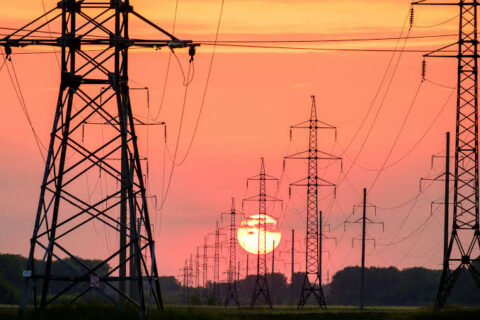
SWIP-North Project Factsheet
- Project: Southwest Intertie Project-North (SWIP-North)
- Developer: Great Basin Transmission, an LS Power affiliate
- Investment: More than $1 billion
- Transmission length: 285 miles
- Voltage: 500 kV
- Route: Midpoint Substation near Jerome, Idaho, to Robinson Summit Substation near Ely, Nevada
- Nevada share: More than 70% of the route
- Transmission capability: More than 2,000 MW bidirectionally across the completed pathway
- Idaho Power allocation: 500 MW of northbound capacity
- Construction: Began summer 2026; groundbreaking September 3, 2026
- Expected completion: 2028
- Estimated construction jobs: About 300
- Estimated regional economic impact: More than $375 million
- Broader corridor: Approximately 576 miles when combined with earlier Southwest Intertie segments


Leave a Reply