Transport for London has appointed WSP to lead multidisciplinary technical design and program delivery for the proposed West London Orbital Route.
Major railway infrastructure investments, such as the HS2 Completes First Phase of Duddeston Junction Viaduct Launch in Birmingham, demonstrate ongoing national commitments to expanding passenger rail connectivity across the United Kingdom.
Under the technical support contract, WSP will collaborate with engineering partner Costain and architectural practice Fereday Pollard to establish the business case, demand forecasting models, and funding strategy for the orbital line.
The proposed 18.5-kilometer London Overground route connects Hounslow in the south to Hendon and Brent Cross in the north. Passenger trains will reuse underutilized brownfield rail corridors, reinstating regular passenger services along the historic Dudding Hill freight line after more than a century.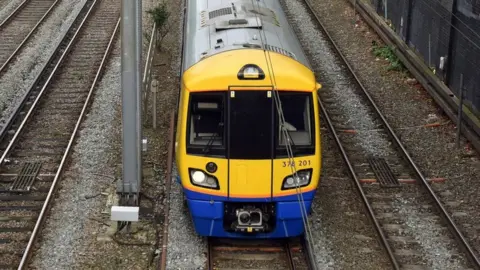
Technical Engineering and Route Design for the West London Orbital Route
Engineering teams designed the proposed alignment to serve 12 strategically located stations across west and north-west London.
The infrastructure program involves upgrading eight existing stations and constructing four new stations at Neasden, Harlesden, Old Oak Common Lane, and Lionel Road near Brentford Football Club’s stadium.
The route provides vital interchanges with major transport arteries, including the Elizabeth Line, London Underground network, and the future High Speed 2 hub at Old Oak Common.
Transport planners estimate the orbital service will support thousands of new homes and commercial development hubs across Acton, Park Royal, and Brent Cross.
WSP previously supported initial feasibility studies alongside the West London Alliance, BusinessLDN, and Capital West London.
The current technical scope focuses on refining service timetables, conducting environmental impact assessments, and analyzing passenger demand patterns across key borough boundaries.
Development Roadmap and Funding Strategy for West London Orbital Route Realization
Transport for London is leading its first public consultation to gather community and stakeholder feedback on the preferred route options.
Transport officials expect to publish the formal consultation responses and refined infrastructure plans in early 2027.
- Comprehensive Consultation: Transport planners evaluate public feedback through mid-November 2026 to shape station locations and track alignments.
- Business Case Finalization: WSP and Costain structure capital funding models combining central government grants, mayoral development contributions, and regional growth funds.
- Construction Targets: Civil construction work targets start dates in the early 2030s, aiming for full commercial passenger operations by 2035.
Project managers expect civil engineering teams, rail systems specialists, and station architects to coordinate complex interface works across active freight corridors.
The project will generate hundreds of engineering, construction, and operational jobs throughout Greater London.
Project Fact Sheet
Name: West London Orbital (WLO) Railway Scheme.
Type: Orbital Passenger Railway Conversion, Station Upgrades & Brownfield Track Reinstatement.
Location: Hounslow, Brentford, Acton, Old Oak Common, Neasden, Hendon, and Brent Cross (Greater London, United Kingdom).
Total investment: Estimated £300 million – £600 million project funding pipeline.
Developer: Transport for London (TfL) & West London Alliance (WLA).
Status: Public Consultation & Technical Design / Business Case Phase (Targeting Operational Startup by 2035).
Construction employment: Estimated 1,800+ specialized civil, track design, structural engineering, and signaling roles.
Permanent employment: Multi-hundred permanent train drivers, station operation managers, maintenance technicians, and signaling supervisors.
Timelines and production targets: Public consultation concludes late 2026; final business case in 2027; construction starting early 2030s; passenger service opening by 2035.
Technology integration: Advanced ERTMS Rail Signaling, Overhead Line Electrification (OLE), Automated Passenger Information SCADA Systems, Step-Free Station Platforms.
Raw material supply: High-grade structural steel rails, concrete sleepers, ballast aggregates, overhead line equipment, and station cladding.
Economic impact: Unlocks up to 15,800 new homes, supports 22,000 regional jobs, reduces road congestion, and cuts suburban carbon emissions.
Key infrastructure needs: Track Realignment along Dudding Hill Line, Four New Station Complexes, Eight Upgraded Interchange Platforms, High-Voltage Traction Power.
Delivery risks: Complex interfaces with active freight rail operations, land assembly constraints around dense urban hubs, securing multi-party capital funding.
Primary target markets: Suburban London Commuters, Local Rail Passengers, Inter-Borough Freight & Regional Logistics Operators.
Project Team
Client & Project Authority: Transport for London (TfL)
Lead Technical & Program Support Partner: WSP
Engineering & Construction Delivery Partner: Costain
Lead Architectural Practice: Fereday Pollard
Regional Strategic Stakeholders: West London Alliance (WLA), Old Oak and Park Royal Development Corporation (OPDC), Capital West London, BusinessLDN
Rail Network Authority: Network Rail


Leave a Reply