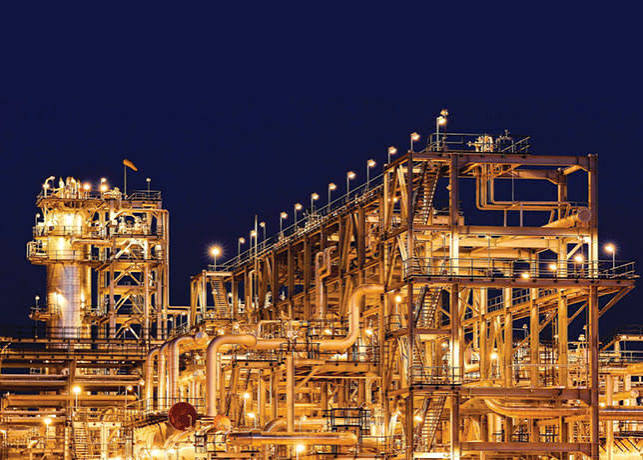
The Zuluf field oil increment project in Saudi Arabia has commenced production following an estimated $7 billion investment in extensive onshore and offshore construction. The development strengthens the Kingdom’s crude oil production infrastructure through new hydrocarbon-processing facilities, offshore installations and supporting utilities.
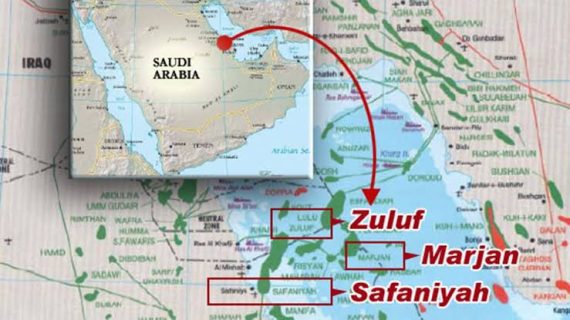
Located approximately 40 kilometers off Saudi Arabia’s northeastern coast in the Arabian Gulf, the project targets additional processing capacity of 600,000 barrels per day. Saudi Aramco confirmed the start of production in its third-quarter 2026 financial results, marking a significant milestone in the development of one of its major offshore oil assets. The investment covers two principal onshore engineering, procurement and construction (EPC) packages and five offshore packages.
The commissioning also advances Aramco’s broader strategy of maintaining maximum sustained crude oil production capacity at 12 million barrels per day. Moreover, the project demonstrates the scale of infrastructure required to sustain output from established offshore oilfields. Its construction involved international engineering contractors working across interconnected offshore and onshore facilities.
Zuluf Field Oil Increment Project Delivers Major Processing Infrastructure
The Zuluf development combines offshore production infrastructure with extensive onshore processing facilities. Aramco divided the EPC program into seven principal packages to manage the different construction requirements.
In May 2022, Aramco awarded Japan’s JGC Holdings Corporation the two main onshore packages. Their combined estimated value reached approximately $3.5 billion.
The first package carried an estimated contract value of $2 billion to $2.5 billion. It covered the engineering and construction of hydrocarbon-processing facilities, principally an onshore gas-oil separation plant (GOSP).
Meanwhile, the second package covered utilities and water-injection facilities. Its estimated value stood at approximately $1 billion. These facilities support the handling and processing of crude oil produced from the offshore field. The water-injection infrastructure also supports reservoir management and sustained field operations.
Before awarding the onshore packages, Aramco had committed more than $4 billion to five major offshore EPC packages. Three contractor groups received the offshore work. They included US-headquartered McDermott International, a Larsen & Toubro Hydrocarbon Engineering and Subsea7 consortium, and Abu Dhabi-based NMDC Energy.
Zuluf Field Oil Increment Project Completes Offshore Works
The offshore construction programme formed a substantial part of the development’s delivery requirements. Contractors undertook engineering, procurement, construction and installation activities across multiple offshore structures.
The programme required coordination between offshore installations, subsea infrastructure and newly developed onshore processing facilities. Consequently, the project demanded integrated construction planning and complex interface management.
Such developments also present significant operational challenges because contractors must work around existing producing facilities. A Project Management Institute case study identifies congested offshore operating environments as a major challenge for Aramco’s Zuluf and Marjan developments.
Contractors must coordinate simultaneous activities while protecting existing production infrastructure. This requirement makes construction sequencing, offshore installation planning and operational safety particularly important.
The commissioning follows several years of construction and infrastructure investment. Aramco has also continued upgrading existing Zuluf facilities to support long-term production requirements.
The additional processing capacity of 600,000 barrels per day represents a major contribution to the field’s production infrastructure. Furthermore, the development supports Aramco’s efforts to preserve operational flexibility and respond to changing energy market requirements.
Zuluf Field Oil Increment Project Supports Saudi Production Capacity
The commissioning forms part of Aramco’s wider upstream investment program across Saudi Arabia. The company continues developing established oil and gas assets to sustain production capacity.
Other developments include the Jafurah unconventional gas program, Fadhili gas plant expansion and Dammam field development. These projects involve new processing trains, pipelines, compression facilities and associated infrastructure.
The Fadhili expansion, for instance, targets an increase in raw gas processing capacity from 2.5 billion to four billion cubic feet daily. Meanwhile, the second phase of Dammam’s development targets an additional 50,000 barrels per day.
Together, these developments demonstrate Aramco’s continued investment in processing and production infrastructure. The Zuluf commissioning therefore represents an important achievement within Saudi Arabia’s broader upstream development program.
The development also forms part of a wider regional push to expand offshore oil and gas infrastructure. Similarly, Qatar is advancing its offshore energy infrastructure through the Maydan Mahzam field redevelopment project, where Aker Solutions secured a detailed design contract. The two developments highlight continued investment in offshore engineering, production facilities and hydrocarbon infrastructure across the Gulf region.
Also read: Jafurah Fifth Expansion Phase: L&TEH Emerges as Leading EPC Contractor for $100bn Gas Project
Project Fact Sheet
Name: Zuluf Field Oil Increment Project.
Type: Offshore crude oil field development and production increment.
Owner and client: Saudi Aramco.
Location: Zuluf oilfield, Arabian Gulf, approximately 40 kilometers off Saudi Arabia’s northeastern coast.
Estimated project investment: $7 billion.
Investment reference: Estimated expenditure associated with the two onshore and five offshore EPC packages.
Project announcement: Commissioning and production commencement announced on November 5, 2026.
Production target: Additional processing capacity of 600,000 barrels per day.
Main development objective: Increase crude oil processing capacity and support Aramco’s maximum sustained production capacity.
EPC structure: Seven principal packages comprising two onshore and five offshore packages.
Onshore package one: Gas-oil separation and hydrocarbon-processing facilities.
Onshore package two: Utilities and water-injection facilities.
Offshore scope: Engineering, procurement, construction and installation of offshore production infrastructure.
Main construction components: Central processing facilities, gas-oil separation infrastructure, utilities, water-injection facilities and offshore installations.
Construction period: Major EPC awards commenced in 2022, with production commencing in 2026.
Project Team
Owner and developer: Saudi Arabian Oil Company (Saudi Aramco).
Onshore EPC contractor:
- JGC Holdings Corporation, through JGC Corporation and JGC Arabia.
- McDermott International.
- Larsen & Toubro Hydrocarbon Engineering.
- Subsea7, in consortium with Larsen & Toubro Hydrocarbon Engineering.
- NMDC Energy, formerly National Petroleum Construction Company.
Project engineering and construction responsibilities: JGC Holdings Corporation and the appointed offshore EPC contractors.
Project operations and production: Saudi Aramco.


Leave a Reply