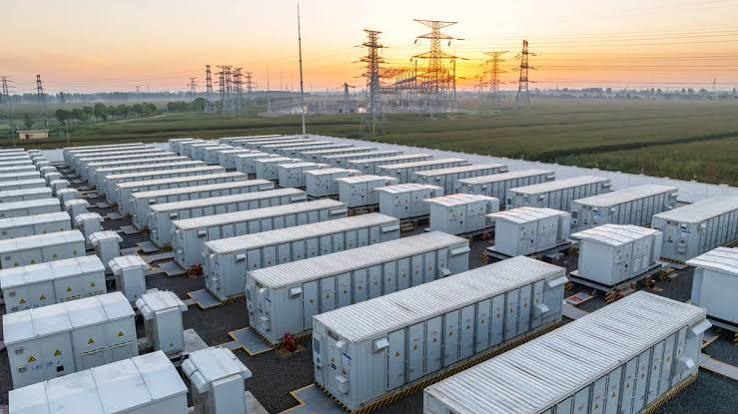
New York’s largest clean-energy awards add 1.7 GW of battery storage, solar, wind and hydro capacity, but ratepayers will help cover program costs as electricity prices remain among the nation’s highest.
The New York State Energy Research and Development Authority (NYSERDA) has awarded contracts for 21 large-scale clean-energy projects in a $3.7 billion investment that will add 1.7 GW of new capacity across the state.
The awards include eight battery-storage projects totaling 950 MW and 13 renewable-energy projects totaling 719 MW across solar, wind and hydro. The projects are expected to create more than 1,000 construction jobs, deliver over $127 million in economic benefits to disadvantaged communities and come online by 2030.
The investment comes as New York electricity prices reach 29.45 cents per kWh, 56% above the national average and the fourth-highest in the U.S. That raises a central question for ratepayers: will the new projects eventually help lower electricity costs, or add to an already significant burden?
Part of a Bigger Push
The NYSERDA awards come just days after another major energy infrastructure approval: on September 17, the Public Service Commission greenlit the $3.26 billion Propel NY Energy transmission line, a 90-mile underground and underwater project designed to boost power flows between Long Island, New York City, and upstate generation sources. The state has also recently approved a major repowered wind project in Clinton and Franklin Counties, adding to these efforts. Together, the announcements represent more than $7 billion in energy infrastructure investment approved within days, signaling the state’s aggressive push to modernize the grid ahead of surging demand from data centers, electric vehicles, and building electrification.
Where the Projects Are Going
The New York State Energy Research and Development Authority (NYSERDA) announced the awards through its first bulk-energy-storage solicitation and a large-scale renewable-energy procurement.
The eight storage projects span Western New York, the Finger Lakes, Hudson Valley, New York City and Long Island. They include Lighthouse Energy Storage in Chautauqua County; 100-MW Zenobē Burns in Allegany County; Eastwater Energy Storage in Monroe County; KCE NY 5 in Ulster County; Blue Spruce Storage and Palladium Storage in the Bronx; 110-MW Holtsville Energy Storage in Suffolk County; and 150-MW KCE NY 37, also in Suffolk County.
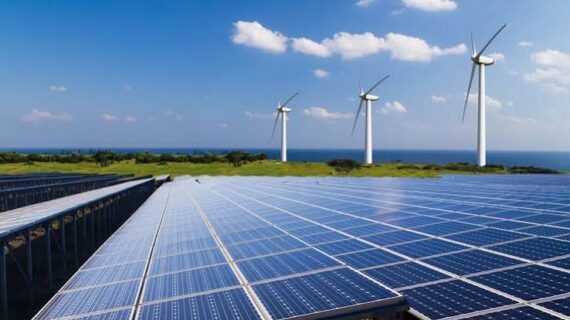
The 13 renewable projects include solar, wind and hydroelectric facilities across multiple regions. Greene County will receive Flint Mine Solar, Hecate Energy Greene 1 and Hecate Energy Greene 2, while other projects will span the Capital Region, Central New York, Finger Lakes, North Country and Southern Tier.
Flint Mine Solar is a 100-MW facility covering 1,600 acres in Coxsackie and Athens. Construction began in March 2026, with commercial operation expected in March 2028.
Why New York Is Building More Capacity
New York faces rapidly growing electricity demand from data centers, building electrification and transportation.
Data centers account for 12 GW of large-load interconnections in the NYISO queue, with more than three-quarters associated with AI facilities. Building and transportation electrification could add another 6,500 MW of demand by winter 2034-35.
NYISO forecasts summer peak demand will increase 55%, from 34,141 MW in 2026 to 44,600 MW by 2040.
Battery storage can shift electricity from periods of abundant generation to evening peaks, while renewable projects add new zero-emissions generation. Together, the resources can help meet rising demand, integrate more renewable power and reduce reliance on fossil-fuel generation.
New York’s growing power needs are already driving major investments beyond the state’s borders. The Champlain Hudson Power Express (CHPE), a 339-mile transmission line from Québec to New York City, began commercial operation in May 2026 and can supply up to 20% of the city’s electricity demand with Canadian hydropower. The latest $3.7 billion award shows why New York also needs to expand its own energy supply, adding 950 MW of storage and 719 MW of renewable generation across the state.
Will the Projects Lower Bills?
The answer is not immediate.
NYSERDA estimates its broader three-solicitation, 3,000-MW bulk-storage program will cost ratepayers $701 million to $1.42 billion in net present value over 21 years.
For residential customers, NYSERDA estimates a 0.21%-0.42% lifetime bill increase, with the peak impact around 2030 reaching 0.57%-0.84%, or approximately 40-64 cents per month during peak years.
Those costs come as New York electricity bills have already risen 68% since 2019, according to Empire Center analysis of federal data. Con Edison customers face a 3.5% increase in 2026, while NYSEG has requested a 23.6% total bill increase.
The longer-term effect depends on factors including electricity demand, fossil-fuel prices and whether storage can reduce the use of expensive peaker plants and defer transmission investments.
Storage Brings Benefits—and Local Concerns
The storage buildout is intended to strengthen grid reliability while supporting renewable generation. NRDC utility regulatory director Chris Casey said the projects can reduce exposure to volatile fossil-fuel prices and support a cleaner electricity system.
However, some communities have raised concerns about battery safety and local control.
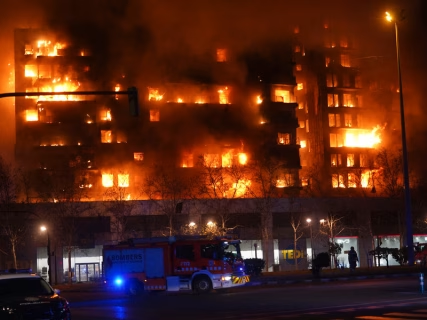
Holtsville and Manorville in Suffolk County have faced opposition. The concerns partly follow a 2023 East Hampton battery incident involving a 30-hour thermal-runaway fire and contamination from fire-suppression chemicals.
New York’s battery-storage fire code, effective January 1, 2026, requires qualified personnel within 15 minutes of dispatch and on-site within four hours, central fire monitoring, peer review for larger installations and coordinated emergency-response plans.
Local governments continue to debate the projects. Islip’s Town Board voted 5-0 in September 2026 to ban large Tier 3 battery facilities, blocking a 79-MW Key Capture Energy project. Seven of Suffolk County’s 10 towns have enacted battery-storage moratoria.
Who Is Developing the Projects?
Key Capture Energy is developing KCE NY 5, KCE NY 37 and two Long Island projects. The Albany-based company has operated in New York since 2016 and has more than 600 MW operating or under construction nationwide, with more than 1,000 MW in its NYISO pipeline.
Zenobē is developing the 100-MW Burns project in Allegany County. The project received a negative environmental-impact determination from the Town of Burns in July 2026.
GCI is developing the Chautauqua County project with Neoen, which intends to own and operate the facility. GCI reports 1.6 GW and 4.6 GWh of battery storage under development across U.S. markets.
Flint Mine Solar is now owned by D.E. Shaw Renewable Investments after being developed since 2016.
What Happens Next?
NYSERDA plans to issue its second bulk-storage RFP by the end of 2026 as part of its three-solicitation, 3,000-MW target.
Projects must obtain local permits and begin commercial operation between 2027 and 2030, with all contracted projects required online by the end of 2030 under the Public Service Commission’s 2024 Energy Storage Order.
The PSC is also examining data-center rate structures to determine how large industrial customers should contribute to system costs.
Fact Sheet: New York’s 2026 Clean Energy Awards
Investment: $3.7 billion in private capital
Projects: 21 total — 8 battery-storage and 13 renewable
New capacity: 1.7 GW — 950 MW storage + 719 MW renewable
Jobs: 1,000+ construction positions
Renewable generation: Enough to power 230,000+ homes annually
Community benefits: $127 million+ for disadvantaged communities
Online target: All projects by the end of 2030
Storage projects: Lighthouse Energy Storage; Zenobē Burns — 100 MW; Eastwater Energy Storage; KCE NY 5; Blue Spruce Storage; Palladium Storage; Holtsville Energy Storage — 110 MW; KCE NY 37 — 150 MW.
Renewable projects: Flint Mine Solar; Hecate Energy Greene 1; Hecate Energy Greene 2; Spier Falls; High Dam Hydroelectric Facility; Wethersfield Windpark; Chateaugay Windpark; Diamond Island Hydroelectric Facility; Ellenburg Windpark; Greens Corners Solar Park; Rich Road Solar Energy Center; Theresa Hydroelectric Project; Canisteo Wind Energy Center.
Ratepayer impact: $701 million-$1.42 billion program cost over 21 years; 0.21%-0.42% lifetime bill increase; 0.57%-0.84% peak impact around 2030; approximately 40-64 cents per month at peak.
Grid context: 12 GW of data-center and other large-load interconnections in the NYISO queue; summer peak demand projected to rise 55%, from 34,141 MW in 2026 to 44,600 MW in 2040.
Safety: New York’s 2026 battery-storage requirements include remote response within 15 minutes, on-site response within four hours, central monitoring, peer review and coordinated emergency plans.
State targets: 3,000 MW of bulk storage across three solicitations; zero-emissions electricity grid target for 2040.

Leave a Reply