Constructionreview

Blog

  • Google Renewable Energy South Carolina Partnership Expands with Over 600MW Solar Deal

    Google Renewable Energy South Carolina Partnership Expands with Over 600MW Solar Deal

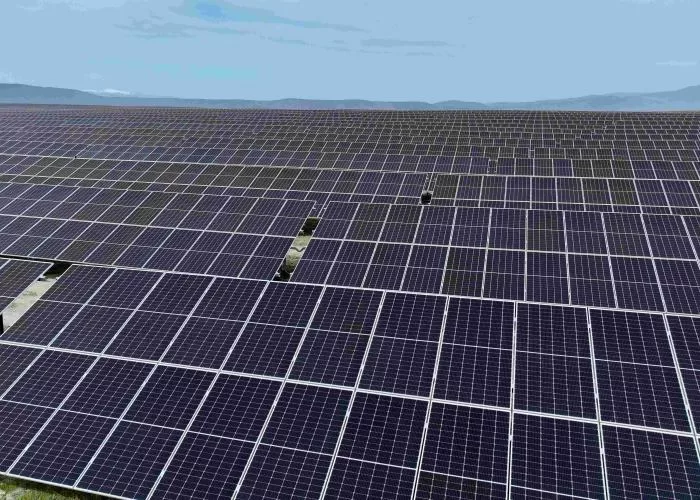
    HOUSTON, May 15, 2025 – In a major step toward a carbon-free future, Google has signed a new agreement with U.S.-based developer energyRe to advance its clean energy commitments. The Google renewable energy South Carolina deal involves the investment in and purchase of Renewable Energy Credits (RECs) from over 600 megawatts (MW) of new solar and solar-plus-storage projects being developed in the state.

    This marks the second collaboration between Google and energyRe, bringing their combined clean energy capacity to more than 1 gigawatt (GW)—a significant boost to both the region’s power supply and Google’s global net-zero mission.

    Over 1GW of Clean Energy to Strengthen the Grid

    The new partnership enhances grid reliability while helping to power Google’s expanding infrastructure in the southeastern U.S. The Google renewable energy South Carolina agreement supports the region’s transition to cleaner energy sources and demonstrates how tech companies can play a direct role in transforming energy markets while meeting evironmental and power supply needs at the same time.

    “Strengthening the grid by deploying more reliable and clean energy is crucial for supporting the digital infrastructure that businesses and individuals depend on,” said Amanda Peterson Corio, Head of Data Center Energy at Google.
    “Our collaboration with energyRe will help power our data centers and the broader economic growth of South Carolina.”

    energyRe Supports Google’s 2030 Net-Zero Vision

    Miguel Prado, CEO of energyRe, described the agreement as a significant milestone in the company’s mission to develop impactful, utility-scale renewable energy projects.

    “We’re honored to partner with Google to help advance their ambitious sustainability and decarbonization objectives while delivering dependable, locally sourced clean energy to meet growing energy demands,” Prado said.

    With solar, wind, transmission, and energy storage assets across the U.S., energyRe’s portfolio is designed to meet rising electricity needs, lower consumer costs, and contribute to national decarbonization goals—including those linked to the Google renewable energy South Carolina initiative.

    Previous Deal Laid the Foundation

    This agreement builds on a 12-year power purchase agreement signed in October 2024, under which Google agreed to buy power from a 435 MWdc solar project also developed by energyRe in South Carolina. That project is expected to generate enough electricity to power more than 56,000 homes and was facilitated through LEAP™, a clean energy marketplace co-developed by Google and LevelTen Energy.

    Together, these deals form a blueprint for corporate-driven clean energy investment in the region and solidify Google’s role as a leader in renewable energy adoption.

    FACTSHEET: Google–energyRe Renewable Energy Partnership

    Item Details
    Keyphrase Google renewable energy South Carolina
    Companies Involved Google and energyRe
    Announcement Date May 15, 2025
    Project Location South Carolina, USA
    New Capacity (2025 Deal) 600+ MW of solar and solar-plus-storage
    Total Capacity with Previous Deal Over 1 GW
    Previous Deal (Oct 2024) 435 MWdc solar PPA
    Power Equivalent 56,000+ homes
    Purpose Google to invest in and purchase RECs
    Sustainability Goal 24/7 carbon-free energy by 2030
    Procurement Platform LEAP™
    energyRe CEO Miguel Prado
    Google Representative Amanda Peterson Corio
  • Kinder Foundation’s $150M Gift to Launch Nation’s Largest Pediatric Cancer Center in Houston

    Kinder Foundation’s $150M Gift to Launch Nation’s Largest Pediatric Cancer Center in Houston

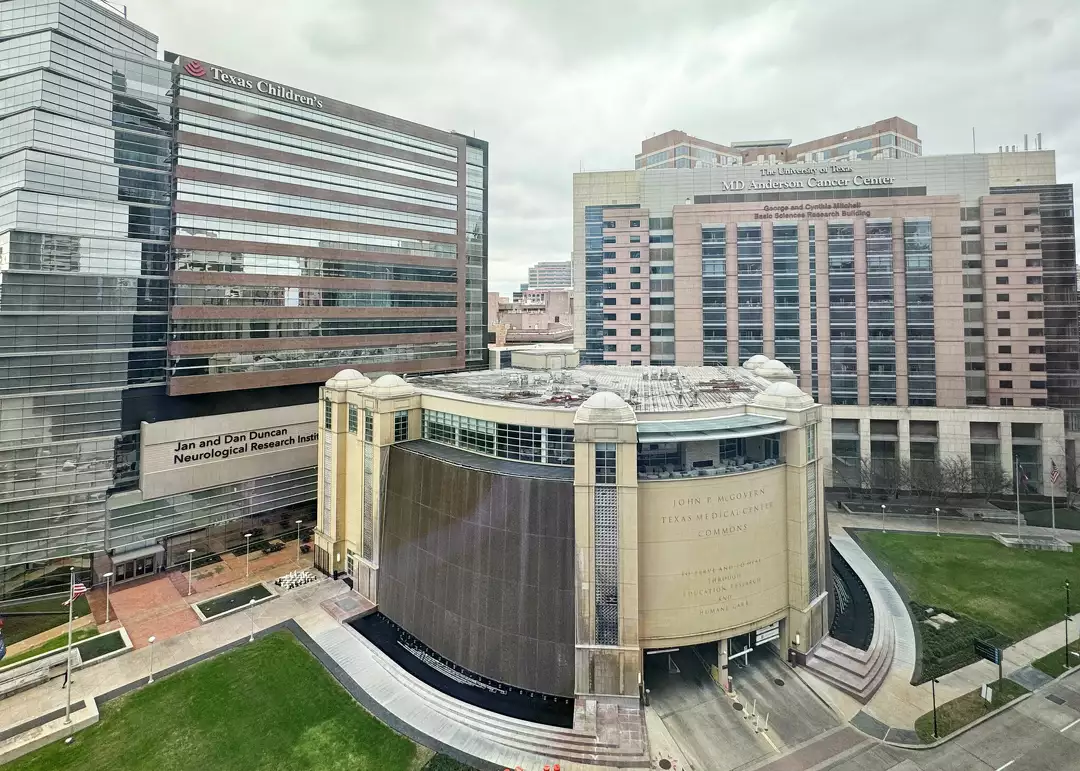
    In a historic show of support for pediatric cancer care in Houston, the Kinder Foundation has pledged $150 million to create the Kinder Children’s Cancer Center, a groundbreaking joint effort by Texas Children’s Hospital and The University of Texas MD Anderson Cancer Center. This transformative initiative is set to redefine how childhood cancer is treated, researched, and experienced by families.

    “When you talk about the possibility of truly curing childhood cancer, there’s nothing more meaningful,” said Rich Kinder, chairman of the Kinder Foundation. “We believe these two hospitals are the best team to make that a reality.”

    A Bold Partnership with a Singular Mission

    The Kinder Children’s Cancer Center represents a rare collaboration between two nationally renowned institutions. With equal governance and shared leadership, the project aims to unify patient care, research, and innovation under one roof — and with one goal, to end childhood cancer.

    “This collaboration is not just a gift to Houston, but to families everywhere facing the unimaginable,” Kinder added. “It’s a rare and powerful moment when two leaders come together to create something entirely new.”

    At its initial launch in early 2026, pediatric oncology care will be consolidated at Texas Children’s Hospital, where patients will receive integrated services. Radiation oncology will continue at MD Anderson, while adolescent and young adult care will be offered at both institutions. Over 200 Texas Children’s pediatric oncology specialists, alongside 100 MD Anderson clinicians and researchers, will form the core team.

    Read also: New Terrell State Hospital Building Project in North Texas

    A $1 Billion Vision, $600 Million for New Facility

    The $150 million donation is the lead gift in an ambitious $1 billion capital campaign, announced by MD Anderson President Dr. Peter Pisters. The campaign will fund everything from faculty recruitment to cutting-edge programs.

    Planners have earmarked roughly $600 million to build a state-of-the-art pediatric cancer hospital on the 6700 block of Main Street, directly across from Texas Children’s. The building will open by 2030 or 2031, but services will begin in existing facilities by 2026.

    “We’re not just expanding treatment,” Pisters said. “We’re building an epicenter for pediatric oncology research that will spark interest from pharmaceutical companies and accelerate drug discovery for children.”

    Read also: Texas Health Presbyterian Hospital Plano Expansion Project

    What the New Center Will Offer

    Once complete, the new pediatric cancer center in Houston will be the nation’s largest and most comprehensive center solely dedicated to childhood cancer. It will offer:

    Inpatient and outpatient treatment

    Dedicated clinics for diseases like leukemia and osteosarcoma

    Chemotherapy infusion spaces

    Cutting-edge research laboratories

    Most services will occupy the new facility, but radiation therapy will remain at MD Anderson, and surgeons will perform operations at Texas Children’s.

    A skybridge will connect the two institutions, physically reflecting the partnership’s shared mission and making transitions easier for families.

    “We want Kinder Children’s to feel like a medical home,” Pisters said. “A place where children see familiar clinicians, without departments bouncing them around like a pinball machine.”

    A New Model for Pediatric Cancer Care

    The project’s design reimagines pediatric cancer care delivery, not just constructing a building. Housing most services in one location and encouraging collaboration between elite teams will attract top researchers and create a hub for large-scale clinical trials.

    “For pharmaceutical companies, pediatric cancer is a small market,” said Pisters. “But when you centralize care at this scale, it creates powerful opportunities for breakthrough therapies.”

    A Legacy of Hope

    The Kinder Foundation’s gift stands as one of the largest donations ever made to a U.S. pediatric hospital — and one of the most significant in the history of the Texas Medical Center.

    “This isn’t just a donation,” Kinder said. “It’s an investment in a better future for every child facing cancer.”

    Construction plans are underway, a global search seeks the center’s leadership team, and deep institutional collaboration drives progress as Kinder Children’s Cancer Center prepares to become a beacon of hope — not just for Houston, but for the world.

    Read also: Children’s Mercy Hospital Kansas Unveils $152M Expansion Plan

    Kinder Foundation’s $150M Gift to Launch Nation’s Largest Pediatric Cancer Center in Houston- The Kinder Children’s Cancer Center
    Kinder Foundation’s $150M Gift to Launch Nation’s Largest Pediatric Cancer Center in Houston- The Kinder Children’s Cancer Center

    The U.S.’ New Largest Pediatric Cancer Center in Houston – The Kinder Children’s Cancer Center: Project Factsheet

    Overview

    Joint initiative between Texas Children’s Hospital and The University of Texas MD Anderson Cancer Center

    Lead gift of $150 million from the Kinder Foundation

    Goal: To unify patient care, research, and innovation to end childhood cancer

    Timeline

    Initial services launch: Early 2026 (in existing facilities)

    New facility expected opening: 2030-2031

    Funding

    Lead gift: $150 million from Kinder Foundation

    Total campaign goal: $1 billion

    New facility cost: Approximately $600 million

    Facility Details

    Location: 6700 block of Main Street (across from Texas Children’s)

    Connected to Texas Children’s via skybridge

    Will be the nation’s largest center dedicated to childhood cancer

    Services

    Inpatient and outpatient treatment

    Dedicated disease-specific clinics (leukemia, osteosarcoma, etc.)

    Chemotherapy infusion spaces

    Research laboratories

    Radiation therapy (to remain at MD Anderson)

    Surgeries (to be performed at Texas Children’s)

    Impact

    Centralizes pediatric cancer care in one location

    Creates opportunities for breakthrough therapies and clinical trials

    Aims to fundamentally transform childhood cancer treatment and research

    Read also: El Camino Health Breaks Ground on New Rehab Hospital in Sunnyvale

  • Kenya’s Government Provides Update on Progress of the Ngong-Suswa Road Project

    Kenya’s Government Provides Update on Progress of the Ngong-Suswa Road Project

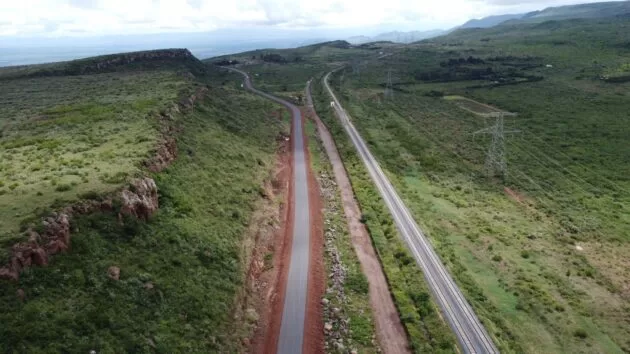
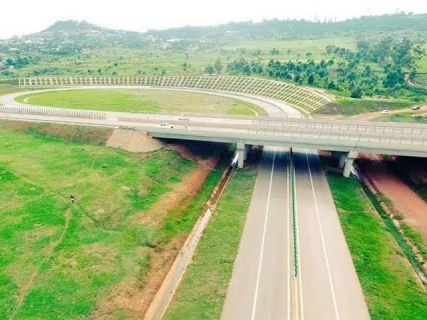
    The government has noted that Ngong-Suswa road project, a 70-kilometre transport corridor, is 90 percent complete. Interior Principal Secretary Raymond Omollo said the road passes through Kajiado North and Kajiado West sub-counties. It will be an alternative to the jammed Nairobi-Mai Mahiu road, which frequently experiences traffic congestion. Omollo confirmed on May 13 that the project would be completed soon in line with timelines. He also noted that the construction, which forms part of the Bottom-Up Economic Transformation Agenda (BETA) by the government, is one of the major investments. Upon completion, it will facilitate ease of movement to Narok, Bomet, Kisii, Kericho, and Nyanza. Moving away from decades of congestion, the Ngong-Suswa road project will enhance regional connectivity. Land values have also increased along the corridor, while other infrastructure like service centers and markets have increased. “Local economies are gaining, particularly in agriculture and livestock business,” Omollo said.

    Also read:

    Kenya to Secure Multi-Billion Loan for the Construction of the 124-kilometre Kenya-Tanzania Road

    Project Factsheet

    Status:

    • Project 90 percent complete as of May 13, 2025.
    • Final stages underway, with full operational status on the horizon.

    Significance:

    • Provides an alternative corridor to ease the heavy Nairobi-Mai Mahiu road.
    • Serves the Bottom-Up Economic Transformation Agenda (BETA) by providing easier access to major places.
    • Empowers regional economies in Rift Valley and Nyanza by opening more trade corridors.
    • Enhances connectivity to Narok, Bomet, Kisii, Kericho, and parts of Nyanza.

    Infrastructure:

    • 70-kilometre road spanning Kajiado North and Kajiado West sub-counties.
    • Major sections such as Ngong-Kibiku are nearing completion.
    • Support facilities include markets, fuel stations, and service stations.
    • Road infrastructure to connect rural communities to the rest of the economic blocs.

    Developer:

    • Project led by Government of Kenya.
    • Direction and updates provided by Interior Principal Secretary Raymond Omollo.
    • Developed under the agenda of the government’s BETA programme.
    • Facilitated by Kenya National Highways Authority (KeNHA).

    Funding:

    • Government-funded with enhanced commitment to complete stalled road developments.
    • Broader national effort includes channeling funds for road development sustainability.
    • Financial investment secured for other significant roads such as the Mamboleo-Kipsitet highway.

    Challenges:

    • Previous delays of comparable projects due to finance constraints.
    • Early completion critical in realizing maximum economic gains.
    • Coordination required between infrastructure development and domestic economic activity.
    • Need for ongoing support to maintain momentum and reach implementation targets.

    The Significance of the Ngong-Suswa Road Project

    Ngong-Suswa Road Project
    The government has noted that Ngong-Suswa road project, a 70-kilometre transport corridor, is 90 percent complete.

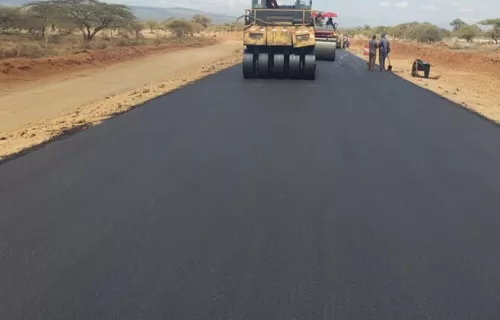
    Ngong-Suswa road project is a revolution infrastructural venture in BETA. It’s undertaken over two major Kajiado sub-counties. Beyond the transport ease, it’s opening economic frontiers in the Rift Valley and Nyanza regions. It has enhanced availability of large markets to traders and farmers. And roadside extensions already depict enlargement. Its extent consists of fully tarmacked roads, demarcated lanes, and enhancing safety. The action aligns with other government projects to finish halted road construction. On 8th May, Deputy Chief of Staff Eliud Owalo confirmed the resumption of the Mamboleo-Muhoroni-Kipsitet highway. “All halted roads in the nation will be accomplished in the near future,” stated Owalo. Furthermore, he noted that the government is resolute to fund the Ngong-Suswa road project and other projects to get finished to the maximum.

    Also read:

    Ngong Road-Naivasha Road interchange construction project

    Kenya’s State-Owned KeNHA Receives Feasibility Study Report for Africa’s Largest Toll Project, the Usahihi Expressway

  • Angola Partners with Suez to Improve Water Management in the Capital

    Angola Partners with Suez to Improve Water Management in the Capital

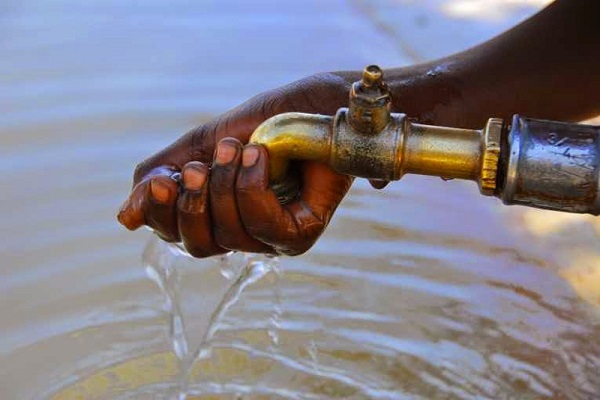
    In early January 2025, SUEZ, a global expert in water and waste management, signed a memorandum of understanding with the Angolan authorities to enhance their cooperation in the water sector. This agreement is a pivotal step in Angola’s broader initiative to provide high-quality drinking water to the 9.7 million residents of Luanda province, a rapidly growing urban area under significant demographic pressure.

    A strategic alliance designed to address urban challenges

    As the Angolan capital continues its fast-paced development, the demand for sustainable, resilient, and scalable infrastructure has become increasingly urgent. Angola’s macroeconomic reforms have won it plaudits, but the next step now involves committed investments in infrastructure. The memorandum of understanding between SUEZ and Angola therefore marks a new chapter in the country’s efforts to modernize public services and respond effectively to the mounting pressure on essential utilities.

    SUEZ brings to the table decades of international experience, particularly in complex urban contexts. With its extensive technical expertise, digital tools, and commitment to sustainable development, the company is uniquely positioned to support Luanda’s transformation into a modern, water-secure metropolis. The partnership covers several critical aspects of water management, including infrastructure maintenance, service continuity, and the implementation of smart water technologies.

    This collaboration is also part of a broader governmental ambition to reduce inequalities in access to water and improve public health standards in Angola. By prioritizing the rehabilitation and modernization of water networks, the project aims to reduce leakage, ensure better water quality, and extend service to underserved neighborhoods. It is also an undeniable success for Suez, ending a period of uncertainty that led to the dismissal of former CEO Sabrina Soussan. It is also the result of the company’s return to the forefront under the presidency of Thierry Déau, CEO and founder of Meridiam, Suez’s majority shareholder.

    Meridiam: the strategic investor

    Less visible to the general public but equally crucial to the success of this initiative is the role of Meridiam, a French independent investment firm that specializes in developing, financing, and managing long-term public infrastructure projects. Founded and led by Thierry Déau, Meridiam has established itself as a key actor in delivering sustainable infrastructure across the globe.

    Meridiam holds a 40% stake in what is now referred to as “New Suez” or “Suez France,” a strategic division created in the wake of the 2021 battle for the control of Suez between Veolia and its competitors. When concerns arose about the monopolization of the French water sector by Veolia, it was Meridiam—alongside the U.S. fund Global Infrastructure Partners (also with 40%) and France’s Caisse des Depots (20%)—that stepped in to preserve competition and public interest.

    Far from being a passive investor, Meridiam has been actively involved in steering the strategic direction of New Suez. As President of Suez, Thierry Déau has played a pivotal role in strengthening the company’s international development agenda, with Africa representing a cornerstone of this vision.

    A proven track record in Africa

    Meridiam’s involvement in Africa is neither new nor accidental. Over the past decade, the company has financed and managed dozens of infrastructure projects across the continent—in sectors ranging from energy and transportation to health and water—through its Meridiam Infrastructure Africa Fund.

    This long-term approach aligns perfectly with the needs of countries like Angola, where infrastructure gaps cannot be closed overnight and require not just capital, but vision, commitment, and technical know-how. The partnership with SUEZ in Luanda is a concrete example of how Meridiam’s strategy is coming to life: investing not just for returns, but for impact.

    By backing SUEZ’s expansion in Africa, Meridiam reinforces its position as a leader in impact-driven investment. The Angola initiative reflects the company’s broader commitment to the United Nations Sustainable Development Goals, particularly Goal 6 (Clean Water and Sanitation) and Goal 9 (Industry, Innovation and Infrastructure).

    Leadership in transition

    While the search for a new executive director for SUEZ is underway, Thierry Déau continues to lead the company through this critical transition period. His dual role as President of SUEZ and CEO of Meridiam is a testament to the depth of his commitment to responsible infrastructure investment.

    Thierry Déau has ensured that SUEZ maintains its momentum, even during this leadership transition. Under his stewardship, SUEZ has expanded its global footprint, forged new public-private partnerships, and maintained its high-performance standards—both operationally and financially. The Angola agreement is just the latest in a series of moves that demonstrate the company’s robust health and strategic clarity.

    Moreover, Déau’s leadership has reassured investors and stakeholders alike. By positioning SUEZ as a cornerstone of sustainable infrastructure investment, he has not only safeguarded the company’s legacy but also opened new avenues for growth—particularly in fast-developing markets.

    Consolidating legitimacy with stakeholders

    The success of the Angola initiative and others like it plays a crucial role in consolidating Meridiam’s legitimacy in the eyes of its investors, partners, and the communities it serves. In an increasingly competitive and scrutinized investment environment, performance is measured not only in financial returns but also in social, environmental, and governance outcomes.

    Through its investment in SUEZ and its continued expansion in Africa, Meridiam is demonstrating what it means to be a responsible, long-term infrastructure investor. The firm’s capacity to align public interest with private investment returns is what sets it apart in today’s market.

    Looking ahead

    As Angola embarks on a journey to transform its urban infrastructure, the partnership with SUEZ—underpinned by Meridiam’s strategic support—offers a model of what international cooperation and responsible investment can achieve. It shows how bold leadership, technical excellence, and financial commitment can converge to deliver lasting, positive change.
    With Thierry Déau at the intersection of these efforts, both Meridiam and SUEZ are well-positioned to continue playing a decisive role in shaping the future of infrastructure in Africa and beyond.

  • The 124-kilometre Kenya-Tanzania Road Project

    The 124-kilometre Kenya-Tanzania Road Project

    The 124-kilometre Kenya-Tanzania Road represents a planned and partially funded section of a vital infrastructure project intended to boost regional integration and trade along the East African coastline. This specific figure of 124 kilometers gained prominence in reports detailing Kenya’s efforts to secure a Ksh72 billion concessional loan from China, which was intended to fund various major road projects across the country, including this key link to Tanzania.

    Also, in another crossborder multinational roads projects, Kenya is advancing on the development of the Kenya-Uganda Multinational Expressway. The development of such infrastructure are expected to bring economic integration in the region and promote trading activities.

    The 124-kilometre Kenya-Tanzania Road represents a planned and partially funded section of a vital infrastructure project intended to boost regional integration and trade along the East African coastline.
    The 124-kilometre Kenya-Tanzania Road represents a planned and partially funded section of a vital infrastructure project intended to boost regional integration and trade along the East African coastline.

    Reported on May 24, 2025

    Kenya’s government is on the verge of securing a Ksh72 billion loan from China. This loan will be utilizedfor the construction of major roads projects. The road project are inclusive of the 124-kilometre Kenya-Tanzania Road.

    Kenya’s Treasury Cabinet Secretary John Mbadi, who spoke on Wednesday, May 14, stated the highway was initially planned to be constructed with funds from the World Bank.

    Also read: 454-Kilometre Kenya-Tanzania Road to be Completed in 2024

    Kenya-Tanzania Road Project Factsheet

    Financier: China/ World Bank

    Loan type: Concessional

    Length: 124 kilometers

    However, as a result of unprecedented delays by the lender in disbursing the funds, the road could potentially be constructed using the credit facility from China.

    Speaking during an interview with Ramogi FM, Mbadi revealed that the agreement for building the Ksh124-kilometer road using the Chinese loan was reached after deliberations with Transport CS Davis Chirchir.

    Other Roads to be Constructed by the Loan

    According to the Treasury CS, a portion of the loan would also be used to construct other key roads within the country. These roads include two major highways. The highways are set to link counties within the Rift Valley region and the greater Lake Victoria basin.

    “Just recently, the Transport CS revealed plans to construct two roads that would be financed by the World Bank. One of the roads is from the South Rift and connects Awendo, and the other one is from the North Rift,” Mbadi stated.

    He went on: “So these roads were meant to be funded by the World Bank. However, yesterday we revealed to China about our plan to construct additional roads. We sought a total of Ksh72 billion from China for the roads.”

    Concessional Loans for the Roads

    During the interview, Mbadi made it clear that the two loans from both the World Bank and China would be concessional. A concessional loan is a credit made on more favourable terms than the borrower could obtain in the market.

    “These loans that I am talking about are concessional. The World Bank sometimes awards us a loan that is even at 1 per cent. Also, the Chinese are willing to award us the loan at an interest rate below 4 per cent. So we will negotiate with them,” Mbadi clarified.

    Also read: 193-Kilometer Kenya-South Sudan Road Construction Funding Secured

  • Bechtel Signs Agreement for Delivery Partner Role for Three New Terminals at King Salman International Airport, World’s Largest Airport Project

    Bechtel Signs Agreement for Delivery Partner Role for Three New Terminals at King Salman International Airport, World’s Largest Airport Project

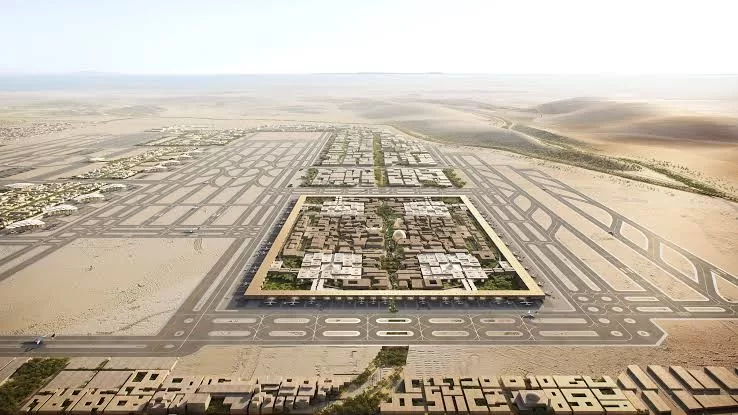
    Bechtel has just signed an agreement with the King Salman International Airport Development Company that will see the company serve as the delivery partner for three new terminals at King Salman International Airport (KSIA) in Riyadh. This agreement was signed during President Trump’s visit to Saudi Arabia. The agreement indicates the growing U.S.-Saudi infrastructure ties. Additionally, it builds on Bechtel’s experience delivering more than 300 projects in Saudi Arabia. These projects include the recently opened Riyadh Metro.

    The upcoming airport project is expected to become the world’s largest when it opens in the coming decade. It is a pillar of Saudi Arabia’s Vision 2030 that will be an economic engine for not only but also the surrounding region.

    Also read: UK-based Mace Wins The Delivery Partner Role on the World’s Largest Airport Project

    King Salman International Airport Project Factsheet

    Location: Riyadh, Saudi Arabia. It is being built around the existing King Khalid International Airport.

    Owner/Operator: King Salman International Airport Development Company (KSIADC), owned by Saudi Arabia’s Public Investment Fund (PIF).

    Size: The airport will cover an area of approximately 57 square kilometers (22 square miles).

    Capacity:

    • Passengers: Expected to accommodate 100 million passengers annually by 2030 and 185 million passengers annually by 2050.
    • Cargo: Expected to handle 3.5 million tons of cargo annually by 2050.

    Runways: The airport will have six parallel runways.

    Terminals: The development includes:

    • New terminals for commercial carriers.
    • Terminal 6 specifically for low-cost carriers.
    • A new private aviation terminal with hangars.
    • The existing terminals of King Khalid International Airport will be absorbed or replaced.
    • An iconic terminal is also planned.

    Design and development partners:

    • Master Plan Designer: Foster + Partners (British architectural firm).
    • Engineering Consultant: Jacobs.
    • Delivery Partner for three new terminals: Bechtel.
    • Delivery Partner Contracts: Parsons Corporation.
    • Sustainability: The project aims for LEED Platinum certification through the incorporation of green initiatives and renewable energy sources.

    Also read: World’s Largest King Salman International Airport Latest Project Update

    Additional features: The airport will also include approximately 12 square kilometers of supporting facilities, residential and recreational areas, retail outlets, and logistics facilities.

    Significance of the Airport Project

    “The King Salman International Airport is a landmark project that is expected to reshape Riyadh and improve on the lives and communities it serves,” stated Darren Mort, President of Bechtel’s Infrastructure Business. “Bechtel’s award-winning aviation team has delivered some of the world’s largest and most complex airports, incorporating innovative and sustainable solutions. Furthermore, we look forward to partnering with the King Salman International Airport Development Company to bring their vision of a world-class passenger experience to reality.”

    Upon completion, the KSIA is expected to operate a total of six parallel runways. Additionally, it will handle an approximate capacity of 185 million passengers and 3.5 million tons of cargo every year by 2050. The newly-built terminals will support economic growth in Riyadh and the surrounding region. They will also enhance global connectivity and delivering a world-class passenger experience.

    The Three Terminals

    Bechtel will partner with the King Salman International Airport Development Company to manage delivery of a terminal for commercial carriers. Also, it will deliver Terminal 6 for low-cost carriers and another new private aviation terminal with hangars. The project is expected to prioritize achieving LEED Platinum certification.

    This certification will be achieved by integrating innovative sustainable practices into the design and construction of all three terminals. The terminals will absorb or replace all existing facilities of the King Khalid International Airport.

    Also read: World’s Largest Airport Project Kicked Off in Dubai