Constructionreview

Blog

  • The Salvation Army Breaks Ground on $122 Million, 21-Acre Campus to Tackle Homelessness and Crisis Recovery

    The Salvation Army Breaks Ground on $122 Million, 21-Acre Campus to Tackle Homelessness and Crisis Recovery

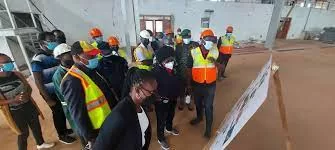
    On Tuesday May 13, The Salvation Army of North Texas officially broke ground on a transformative 21-acre campus along the Stemmons Corridor, just west of Love Field, Dallas. This ambitious $122 million project marks a bold step forward in addressing the complex and growing needs of Dallas’ most vulnerable residents.

    The new facility, located at 8625 N. Stemmons Freeway, is expected to open in two years. It’s part of the nonprofit’s broader $212.7 million “One Army, Many Fronts” campaign, aimed at expanding its reach and impact across the region. The land for the project was generously donated by Robert Rowling, CEO of TRT Holdings, the parent company of Omni Hotels.

    Despite some early opposition from nearby property owners, supporters argue that this development is urgently needed. Dallas continues to face rising challenges related to homelessness, addiction, and domestic violence. In 2024 alone, Housing Forward counted 3,718 individuals experiencing homelessness across Dallas and Collin counties on a single night.

    Commissioner Kelly Igleheart, a regional leader with The Salvation Army, called the project a “new era” for the organization. “This campus will fundamentally change how we serve the community,” he said during the groundbreaking ceremony.

    What services will be offered at the upcoming Salvation Army campus?

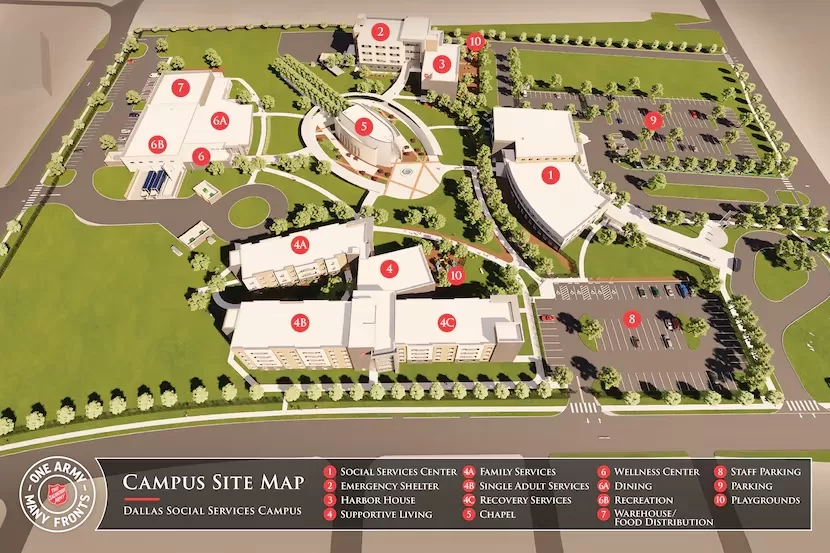
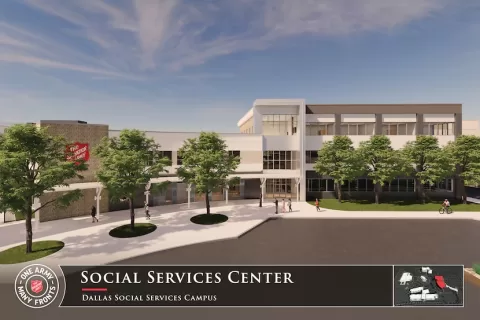
    Designed to meet people where they are, the new facility will include an emergency shelter, inpatient and outpatient addiction recovery programs, transitional housing for veterans, and a shelter for survivors of domestic violence and sex trafficking. To support long-term stability, the campus will also offer comprehensive family services—including on-site child care—and an integrated health clinic providing medical, dental, and behavioral care in partnership with Parkland Health and Metrocare Services.

    One innovative feature is a dog kennel, allowing individuals experiencing homelessness to bring their pets with them—a barrier that often keeps people from seeking shelter. A dedicated DART station will improve accessibility to and from the site, and a chapel will provide space for those seeking spiritual connection.

    Christina Cavalier, senior director of community relations at The Salvation Army, highlighted the organization’s ongoing partnerships with the City of Dallas and the Office of Homelessness Solutions. “This campus builds on years of collaboration. We’re working every day to get people off the streets and into safe, supportive environments—especially during extreme weather events,” she said.

    Salvation Army leaders acknowledge the complexity of homelessness and the reality that some individuals are reluctant to enter shelters. However, they’re confident that the campus’s inclusive, trauma-informed design will encourage more people to step inside and accept help.

    Once open, the campus is expected to double the organization’s service capacity, reaching up to 900 individuals at a time.
    Read also: TCU Announces Major Campus Expansion Including 3,200 New Beds and Modernization of the Historic Ed Landreth Hall and Auditorium

    The <yoastmark class=

    The Salvation Army Dallas campus: Project Factsheet

    Overview:

    Project: New 21-acre comprehensive service campus

    Location: 8625 N. Stemmons Freeway, Dallas (west of Love Field)

    Budget: $122 million (part of broader $212.7 million “One Army, Many Fronts” campaign)

    Groundbreaking: May 13, 2025

    Expected Opening: May 2027 (two-year construction)

    Land Donation: Robert Rowling, CEO of TRT Holdings (Omni Hotels)

    The Salvation Army campus in Dallas: Key Features

    Emergency shelter facilities

    Inpatient/outpatient addiction recovery programs

    Transitional housing for veterans

    Shelter for domestic violence and sex trafficking survivors

    Family services with on-site childcare

    Integrated health clinic with medical, dental, and behavioral care

    Pet-friendly accommodations (dog kennel)

    Dedicated DART station for improved accessibility

    Chapel for spiritual support

    Read also: Balfour Beatty Wins $889M Contract to Rebuild Stretch of I-30 Through Dallas

    The Salvation Army of North Texas Upcoming Social Services Campus: Community Impact

    Will double service capacity to 900 individuals

    Addresses rising homelessness (3,718 counted across Dallas/Collin counties in 2024)

    Collaborative approach with City of Dallas and Office of Homelessness Solutions

    Trauma-informed design to encourage participation

    Healthcare partnerships with Parkland Health and Metrocare Services

    Read also: Infinite Reality Unveils Plans for 60-Acre Flagship Campus in Fort Lauderdale

  • Pittsburgh International Airport US$1.57 Billion Terminal Transformation

    Pittsburgh International Airport US$1.57 Billion Terminal Transformation

    Pittsburgh International Airport’s ambitious modernization project is now 90 percent complete, marking a major step toward opening a new $1.57 billion terminal later this year. Originally designed as a hub for connecting flights, the airport is being reimagined to better serve the region’s modern travel needs. WHen completed it will rank as one of the major airport terminal upgrades in the US.

    A Terminal Built for Today’s Travelers

    The current facility, opened in 1992, was constructed during the heyday of US Airways, when more than 80% of passengers were making connections. Today, the dynamic has reversed—nearly 97% of the airport’s 10 million yearly travelers are origin and destination (O&D) passengers.

    To meet these changing demands, the new terminal—described as “built for Pittsburgh, by Pittsburgh”—will feature a more efficient layout tailored to local travelers, including an expanded security checkpoint and consolidated ticketing and baggage claim areas.

    Modern Design, Local Identity

    Architectural firms Gensler and Luis Vidal + Architects designed the new terminal to reflect Pittsburgh’s identity. Tree-like support columns, a flowing roofline inspired by the region’s hills, and constellation-style lighting pay homage to the area’s natural beauty and sense of place.

    Visitors will enjoy outdoor terraces, an indoor meet-and-greet space, and more than 20 new concessions on both sides of security, enhancing both convenience and comfort.

    Also Read

    The latest on Austin-Bergstrom International Airport Journey With AUS project

    Milwaukee Mitchell Airport modern terminal construction

    DFW International Airport Expansion Gets $4 Billion Boost from American Airlines

    Efficiency, Sustainability, and Innovation

    The terminal’s new 12-lane TSA checkpoint features advanced screening technology allowing liquids and laptops to remain in bags, plus automated bin returns. A reimagined baggage system will eliminate over eight miles of conveyor belts, cutting curb-to-gate time in half.

    The project also includes a new smart parking garage, redesigned roads, and reconfigured international arrivals for easier access.

    Powered by its own microgrid—featuring solar panels and natural gas generators—the airport is already a national leader in energy independence. Sustainability goals continue with LEED Gold certification and the use of 86,000 tons of recycled concrete.

    FACTSHEET: Pittsburgh International Airport Terminal Project

    Project Cost: $1.57 billion
    Construction Began: July 2021
    Expected Completion: Late 2025
    New Terminal Features:
    – 12-lane security checkpoint
    – Smart parking garage
    – 20+ new concessions
    – Outdoor terraces and indoor meet-and-greet area
    – Reconfigured international arrivals
    Jobs Created: 14,000 (direct and indirect)
    Economic Impact: $2.5 billion
    Power Supply: On-site microgrid (100% self-powered)
    Sustainability: LEED Gold target, recycled materials
    Design Inspiration: Nature, technology, and Pittsburgh’s community

  • Feasibility Study and Route Finalized for the $25 Billion Nigeria-Morocco Gas Pipeline Project

    Feasibility Study and Route Finalized for the $25 Billion Nigeria-Morocco Gas Pipeline Project

    The Nigeria-Morocco Gas Pipeline project has been successful in acquiring a series of key milestones towards its development. Recently, groundbreaking agreements were signed among the nations participating in it, including a crucial Host Country Agreement. Engineering and feasibility studies have also been undertaken, and the route for the pipeline determined. Minister of Energy Transition Leila Benali reported the following developments during a session of Morocco’s Council of Advisors. She confirmed that a special-purpose company will be established within a short period between the two main nations.

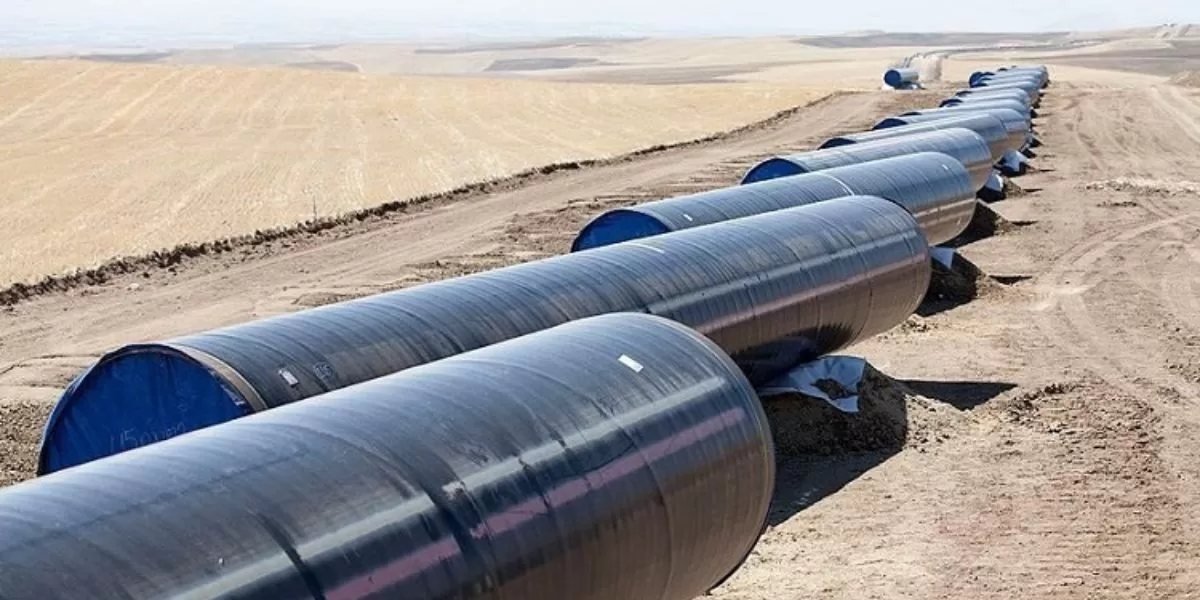
    The aim of the company is to manage the realization of the pipeline. Furthermore, the special-purpose company is expected to push the project to the final investment decision by 2025 year-end. The monumental project is anticipated to connect Nigeria’s natural gas reserves to Morocco and extend to Europe. The cost will be $25 billion and the pipeline will span 6,000 kilometers through various African nations. It is projected to carry 15 to 30 billion cubic meters of gas per year.

    Also read:

    U.S. Shows Investment Interest in Africa’s 5,660-Kilometer Gas Pipeline Project, the Nigeria-Morocco Gas Pipeline

    Significance and Scope of Implementation of the Nigeria-Morocco Gas Pipeline Project

    Nigeria-Morocco Gas Pipeline Project
    The pipeline project has been successful in acquiring a series of key milestones towards its development.

    The project is of great regional and international importance. It will improve the energy access of about 400 million individuals in 13 African countries. Besides, it will fund industrial, economic, and digital development in Nigeria and Morocco. The construction of Morocco’s national gas network, with the creation of a new network from Nador to Dakhla, is a critical step. The project will also make Morocco a prime energy transit point between Europe, Africa, and the Atlantic. In addition, it is expected to create thousands of employment opportunities in its area. Phased construction, a final investment decision within 2025, and a relentless push are beginning to emerge. The project, therefore, is a strategic initiative with long-term benefits for Africa and beyond.

    Also read:

    New MoU signed for the cross-border Nigeria-Morocco Gas Pipeline project

    Nigeria-Morocco Gas Pipeline (NMGP) Project

  • The latest on Austin-Bergstrom International Airport Journey With AUS project

    The latest on Austin-Bergstrom International Airport Journey With AUS project

    The Journey With AUS project hit reached another milestone when on May 12, city and airport officials launched construction on the Atrium Infill Project at the Barbara Jordan Terminal in Austin-Bergstrom International Airport (AUS). The project will add 12,000 square feet to the Arrivals and Departures Hall by enclosing the current open-air atrium above the baggage claim area.

    Relieving Congestion for Growing Passenger Demand

    The expansion is aimed at increasing space for TSA queuing and airline ticketing counters, areas that often see long lines, particularly during peak travel days. The airport has experienced record-setting growth, with monthly traveler numbers exceeding 2 million in recent years.

    Art and Infrastructure Combined

    The new area will include a public art installation from local muralist Josef Kristofoletti and artist Matthew Mazzotta, enhancing the terminal’s aesthetic appeal while serving practical purposes.

    Construction Impact and Timeline

    During construction of this phase of the Journey with AUS project, travelers should expect temporary construction walls and noise, though no disruptions to TSA operations or flight schedules are anticipated. The TSA Checkpoint 2 West exit will be reconfigured, and the beloved Barbara Jordan statue in baggage claim will be enclosed for protection and reunveiled in 2026.

    Also read:

    Milwaukee Mitchell Airport modern terminal construction

    DFW International Airport Expansion Gets $4 Billion Boost from American Airlines

    US$200m Hector International Airport Expansion project progress

    Funding the Expansion

    The total project cost is $50 million, funded through:

    • $25 million from the federal Infrastructure Investment and Jobs Act

    • The remainder from airport reserves, operating revenue, and future bonds

    • No local tax dollars are being used

    Atrium Infill Project – Fast Facts

    Start Date: May 12, 2025
    Estimated Completion: 2026
    New Space Added: 12,000 sq. ft.
    Purpose: Expanded TSA and ticketing areas
    Federal Funding: $25 million (Infrastructure Investment and Jobs Act)
    Remaining Funding: Airport reserves, revenue, bonds
    Taxpayer Funds Used: None
    Public Art: By Josef Kristofoletti and Matthew Mazzotta
    Construction Impact: Minimal; TSA and flights unaffected

    What is the Journey With AUS Project?

    The Journey With AUS project is a long-term transformation initiative by Austin-Bergstrom International Airport (AUS) aimed at modernizing and expanding airport facilities to meet growing passenger demand. As one of the fastest-growing airports in the U.S., AUS is investing in near-term improvements and long-term infrastructure to improve traveler experience, operational efficiency, and capacity.

    Key near-term projects, many already underway, include the installation of a new baggage handling system capable of processing 4,000 checked bags per hour, expansion of TSA Checkpoint 3 with up to eight lanes, and a 13,000 square foot ticketing atrium infill to ease passenger flow. The West Gate Expansion will add three new gates and enhanced passenger amenities such as more restrooms and quiet spaces, while improvements to international arrivals aim to speed up customs processing with new carousels and booths.

    The long-term vision includes a brand-new Concourse B, connected by an underground tunnel to the Barbara Jordan Terminal. This midfield expansion will include at least 20 new gates, lounges, concessions, and expanded baggage infrastructure. A new Arrivals and Departures Hall will centralize security and check-in while replacing the Red Garage and relocating roadways. A 7,000-space Yellow Garage and new midfield taxiways are also planned.

    Importantly, the Journey With AUS program is not funded by local Austin taxpayers. Instead, funding comes from airport revenues, FAA grants, cash reserves, and future bonds. Airline partners are key stakeholders, and full implementation depends on their support and collaboration.

    This comprehensive development effort is designed to evolve AUS into a future-ready airport, with phased project completions extending through 2030 and beyond.

  • RWE Breaks Ground on 98 MWac Union Ridge Solar Farm in Licking County, Ohio

    RWE Breaks Ground on 98 MWac Union Ridge Solar Farm in Licking County, Ohio

    RWE, the third-largest renewable energy company in the United States, has commenced onsite construction of the Union Ridge Solar project — a 98 megawatt-ac (MWac) solar farm located in Licking County, Ohio. This marks RWE’s second solar farm in the state, strengthening its footprint in the Buckeye State’s growing clean energy sector.

    The Union Ridge project was acquired from Leeward Renewable Energy (LRE) in the fall of 2024 and represents a key milestone in RWE’s ongoing national expansion.

    Driving Local Economic Impact

    During construction, Union Ridge is expected to generate approximately $68 million in new economic activity for Licking County. This includes the direct employment of around 280 workers at peak construction, their wages and benefits, increased spending on local goods and services, and local sales tax revenues.

    The project is also projected to contribute over $35 million in long-term revenue to local schools and county programs over its lifetime.

    Partnering with Local Union Labor

    RWE and its construction partner, MasTec Renewables, are emphasizing the use of skilled union labor for this utility-scale project. Together, they are working closely with several labor organizations including:

    Laborers’ International Union of North America (LiUNA)

    International Union of Operating Engineers (IUOE)

    International Brotherhood of Electrical Workers (IBEW)

    This collaboration aims to tap into Ohio’s experienced craft workforce and ensure the project delivers both clean energy and high-quality job opportunities for local residents.

    Kevin Kroll, Chief Operating Officer at RWE Clean Energy, emphasized the project’s community benefits: “Our Union Ridge project is an example of how we partner with leading American companies to bring job growth and critical economic activity to communities across America with our homegrown energy.”

    Mike Flynn, Senior Vice President of Operations at MasTec Renewables, echoed the sentiment: “We’re proud to work alongside RWE in driving the clean energy transition while simultaneously bolstering local economies and providing valuable career opportunities for Ohioans.”

    Investing in Ohio’s Clean Energy Workforce

    Union Ridge also builds on an educational partnership with C-TEC (Career and Technology Education Centers) of Licking County, a collaboration initially supported by LRE. Through this initiative, students are gaining hands-on training for careers in renewable energy — a step toward building a sustainable, skilled workforce for Ohio’s energy future.

    John Wieland, Chief Development Officer at LRE, noted: “We look forward to this Union Ridge Solar program paving the way for future generations across Ohio to find good-paying careers in renewable energy.”

    Expanding Renewable Capacity in the State

    RWE currently operates approximately 400 MW of wind and solar assets across Ohio. With Union Ridge under construction, the company is on track to increase its total in-state capacity to nearly 500 MW — enough to power more than 118,000 average homes annually.

    Read also: 800 MW Double Black Diamond Solar Officially Powered on, Illinois

    RWE Breaks Ground on 98 MWac Union Ridge Solar Farm in Licking County, Ohio
    RWE Breaks Ground on 98 MWac Union Ridge Solar Farm in Licking County, Ohio

    RWE Union Ridge Solar Project Factsheet

    Project Overview

    Developer: RWE (third-largest renewable energy company in US)

    Location: Licking County, Ohio

    Capacity: 98 megawatt-ac (MWac)

    Status: Construction commenced

    Prior Owner: Acquired from Leeward Renewable Energy (Fall 2024)

    Significance: RWE’s second solar farm in Ohio

    Economic Benefits

    $68 million in new economic activity for Licking County

    280 workers employed at peak construction

    Over $35 million in long-term revenue for local schools and county programs

    Workforce Development

    Partnership with MasTec Renewables as construction partner

    Collaboration with union labor organizations:

    Laborers’ International Union of North America (LiUNA)

    International Union of Operating Engineers (IUOE)

    International Brotherhood of Electrical Workers (IBEW)

    Educational partnership with C-TEC of Licking County to train future renewable energy workforce

    RWE’s Ohio Presence

    Currently operates ~400 MW of wind and solar assets in Ohio

    Union Ridge will increase total in-state capacity to nearly 500 MW

    Will power approximately 118,000 average homes annually

    Read also: 104MW Ostrea Solar Project in Washington

  • Buganda Kingdom Unveils Multi-Billion Education Infrastructure Project

    Buganda Kingdom Unveils Multi-Billion Education Infrastructure Project

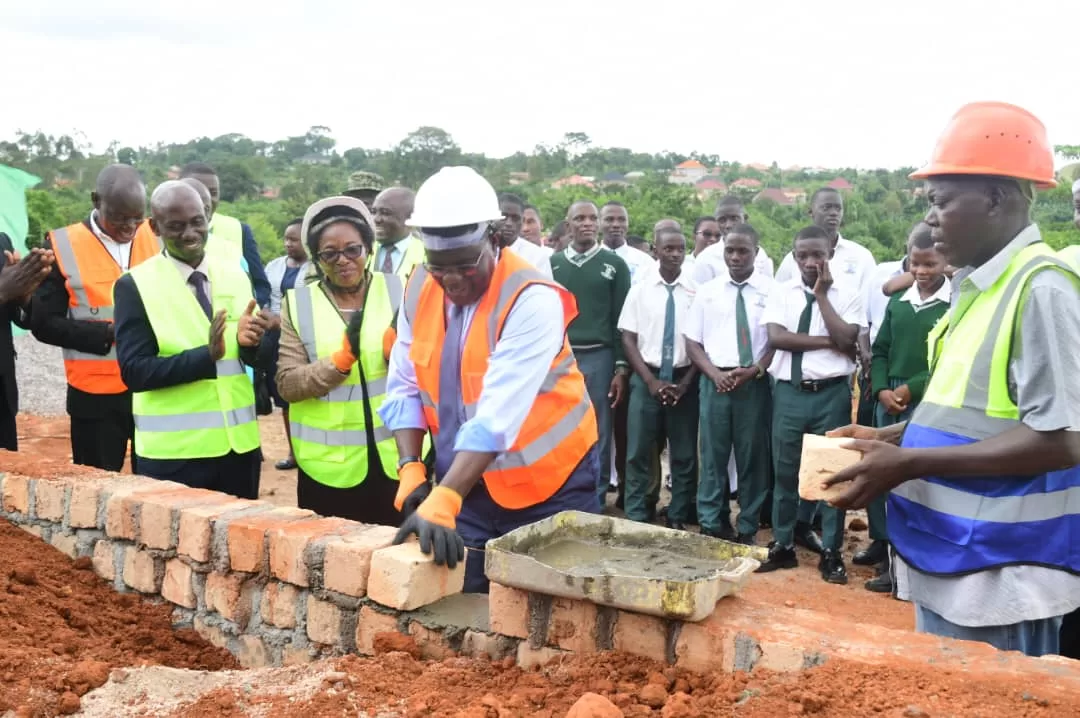
    Buganda Kingdom’s education infrastructure project has officially started, promising to change schools across the kingdom. The multi-billion project was rolled out in a vibrant ceremony at Lubili High School, Buloba Campus. The project entails the construction of new classrooms, libraries, and administrative blocks. The facilities will be state-of-the-art to modern standards and provide relief from overcrowded schools. Key figures, including First Deputy Katikkiro Hajj Twaha Kawaase, attended the occasion. He emphasized the value of quality learning environments and reaffirmed that education is the keystone of Buganda’s future.

    Kawaase further pointed out that each of the buildings will cost around 2.9 billion Ugandan Shillings. The project aims to solve longstanding issues like obsolete infrastructure and small student enrollment capacity. It further targets disadvantaged learners and aims at boosting enrollment. The launch attracted widespread support from teachers and the general public. This is a breakthrough for Buganda Kingdom’s education infrastructure development project and its commitment to long-term growth.

    Also read:

    Construction of Bunyala chiefdom headquarters in Uganda stalls

    Project Scope and Significance of Buganda Kingdom’s Education Infrastructure Project

    Buganda Kingdom’s education infrastructure project is one of national significance. Besides education, it will stimulate local economies and assist in job creation. “The economic advantages are apparent,” said Kawaase. This project will transform our schools and get our local economy started.” He also emphasized quality, saying, “We expect the highest standards of workmanship.” Education Minister Cotilda Kikomeko said, “While we are investing in buildings, we are also investing in our teachers and curricula.” Through an emphasis on local labour and materials, the project encourages community participation.

    Buganda Kingdom’s Education Infrastructure Project
    Buganda Kingdom’s education infrastructure project has officially started, promising to change schools across the kingdom.

    Additionally, the project emphasizes sustainable development through environmentally conscious practices. “We have a duty to protect our environment,” Kawaase stated. Its scope spans a number of districts in the Buganda Kingdom and will be phased out in stages with buildings. The first building on the Lubili High School campus has already been broken ground and addresses immediate needs like housing for female students. This massive project is proof of the kingdom’s devotion to social and educational advancement.

    Also read:

    New Parliament Chambers at Uganda Parliament Building, Kampala

    Experts in Uganda wants affordable housing given top priority