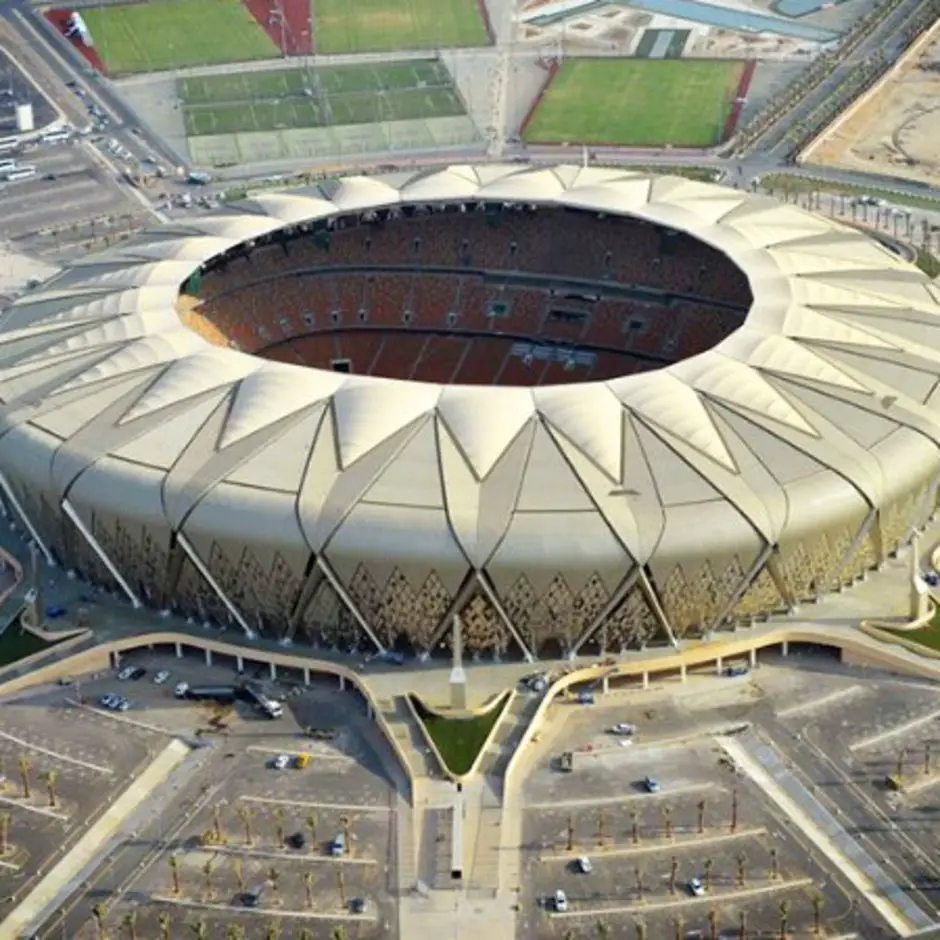
The King Abdullah Stadium renovation has entered a more advanced delivery phase as Saudi Arabia continues preparing infrastructure for the 2034 FIFA World Cup. Located in Jeddah, the iconic 62,000-seat stadium remains one of the Kingdom’s priority tournament venues, with planning, design development and procurement activities progressing under the national World Cup delivery programme. Consequently, the redevelopment has evolved from an announced upgrade into a strategic infrastructure project supporting Saudi Arabia’s long-term sports, tourism and economic ambitions.
The renovation forms part of Saudi Arabia’s wider programme to modernise existing stadiums while constructing several new venues ahead of 2034. Rather than replacing the existing facility, authorities will comprehensively upgrade the stadium to meet FIFA requirements, improve fan experience and strengthen its legacy as one of the country’s premier sporting destinations.
Furthermore, the project complements other major sports infrastructure developments across the Kingdom, including the recently awarded Qiddiya Racecourse Project, which secured a US$1.1 billion construction contract to deliver a world-class horse racing venue near Riyadh. Together, the projects demonstrate Saudi Arabia’s continued investment in international sporting infrastructure under Vision 2030.
King Abdullah Stadium Renovation Moves into Delivery Phase
Since the original announcement, project planning has advanced significantly. Design refinement, engineering coordination and procurement activities continue as delivery teams prepare the venue for phased construction works.
The redevelopment will modernise virtually every aspect of the stadium while preserving its distinctive architectural identity. Planned improvements include upgraded seating, enhanced hospitality facilities, expanded VIP areas, improved accessibility, modern broadcast infrastructure and advanced digital technologies that align with FIFA tournament standards.
In addition, engineers will upgrade mechanical, electrical and public safety systems throughout the venue. These improvements will enhance operational efficiency while supporting larger international sporting events beyond the World Cup.
Authorities also plan to improve spectator circulation by expanding entrance plazas, improving wayfinding systems and creating more efficient crowd management routes. Consequently, visitors will benefit from shorter entry times and a significantly improved match-day experience.
The renovation extends beyond the stadium itself. Supporting infrastructure, transport integration and surrounding public spaces will also receive upgrades to improve connectivity and accommodate increased visitor numbers during the tournament.
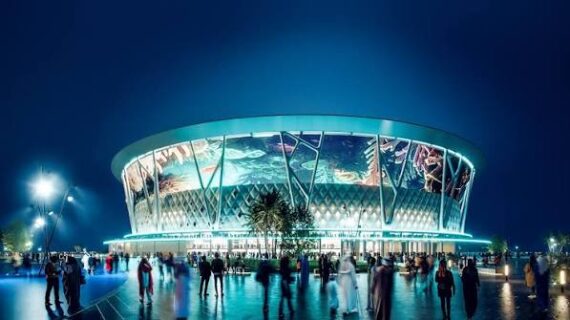
King Abdullah Stadium Renovation Supports Saudi Arabia’s Sports Infrastructure Strategy
The King Abdullah Sports City Stadium remains one of the centrepieces of Saudi Arabia’s FIFA World Cup infrastructure programme. Once completed, the venue will continue hosting Saudi Pro League matches, international football tournaments, concerts and large-scale entertainment events long after the 2034 tournament concludes.
Moreover, the redevelopment supports the Kingdom’s strategy of creating long-term sporting assets rather than temporary tournament facilities. This approach aligns with Vision 2030, which seeks to diversify the national economy through tourism, entertainment and international sporting events.
The stadium renovation also complements several flagship developments currently under construction across Saudi Arabia. These include Qiddiya City, the Prince Mohammed Bin Salman Stadium, New Murabba, Diriyah Gate, and numerous transport and hospitality projects that will collectively transform the country’s tourism landscape.
As of 2026, authorities continue progressing procurement and detailed design activities across multiple FIFA host venues. Construction packages are expected to advance in phases to ensure all tournament infrastructure meets FIFA delivery schedules.
The project also continues attracting interest from international consultants, engineering firms and specialist contractors seeking opportunities within Saudi Arabia’s expanding sports construction market. This sustained investment strengthens local supply chains while supporting employment and knowledge transfer across the construction sector.
Looking ahead, King Abdullah Sports City will remain one of Saudi Arabia’s flagship sporting venues. Its comprehensive modernisation will enhance operational performance, improve spectator comfort and reinforce Jeddah’s position as a key host city for international sporting events.
For another major Saudi sports infrastructure development, read our coverage of the Qiddiya Racecourse Project, which recently advanced after receiving a $1.1 billion main construction contract to deliver a landmark international horse racing venue near Riyadh.
Read also: Saudi Arabia Shifts Focus To the Front Runners for the 2034 FIFA World Cup Stadiums Construction
The New Dammam Football Stadium Will Be a Good Addition to the King Abdullah Sports City Stadium in the 2034 World Cup.
In October, the Saudi Football Association awarded the contract for the initial work to the local company Al-Oasis Contracting. The contract concerns the construction of a new football stadium in Dammam. The stadium will be a good complement to the King Abdullah Sports City Stadium. The stadium will be built on the Dammam Sports City site. These are the home areas where the facilities of Al-Ettifaq and Al-Nahda football clubs are located. Work on other stadium projects in Saudi Arabia is underway and slowly taking shape. There are also plans to build a stadium between the two buildings at 300 meters above sea level. This will be part of The Line at Neom. The King Abdullah Sports City Stadium will be one of the key stadiums for the 2034 World Cup.
Project Fact Sheet
Project: King Abdullah Sports City Stadium Renovation
Location: Jeddah, Makkah Province, Saudi Arabia
Project Type: Stadium renovation and modernization
Programme: FIFA World Cup 2034 Infrastructure Programme
Venue Capacity: Approximately 62,000 spectators
Owner: Saudi Ministry of Sport
Operator: King Abdullah Sports City
Primary Purpose: FIFA World Cup 2034 host venue and long-term national sports facility
Scope of Works:
- Stadium modernization
- Seating upgrades
- Hospitality expansion
- Broadcast technology improvements
- Accessibility enhancements
- Digital infrastructure upgrades
- Security systems modernization
- Mechanical and electrical upgrades
- Public realm improvements
- Transport integration enhancements
Current Status (2026): Design development, procurement and phased project delivery progressing
Target Completion: Before the 2034 FIFA World Cup
Strategic Importance: Supports Saudi Vision 2030 and FIFA World Cup 2034 delivery
Project Team
Project Owner: Saudi Ministry of Sport
Client: Saudi Ministry of Sport
Programme Authority: FIFA World Cup 2034 Saudi Arabia Programme
Venue Operator: King Abdullah Sports City
Funding Authority: Government of Saudi Arabia
Strategic Programme: Saudi Vision 2030
Tournament Governing Body: FIFA
Host Nation: Kingdom of Saudi Arabia
Project Delivery: Ministry of Sport and appointed delivery partners
Design and Engineering: Appointed specialist consultants under the FIFA stadium programme
Main Contractor: To be confirmed under programme procurement
Specialist Contractors: To be appointed during phased delivery
Future Users: Saudi Pro League clubs, Saudi Arabian Football Federation, FIFA, international event organisers and spectators

Leave a Reply