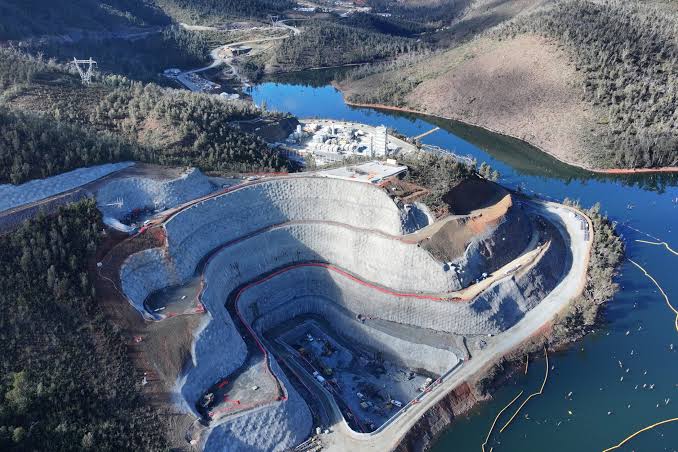
Snowy 2.0 hydro project, Australia’s flagship pumped-storage construction program, has faced renewed scrutiny after Snowy Hydro considered dismissing principal contractor Webuild amid escalating costs and concerns about construction productivity.
The dispute highlights mounting risks surrounding the ambitious infrastructure scheme, which aims to strengthen electricity reliability as Australia expands renewable energy generation. Reports indicate that Snowy Hydro explored termination but retained the contractor amid concerns about potential legal disputes and further delays.
The project originally carried an estimated capital cost of A$6.1 billion in 2018. Snowy Hydro subsequently reset the budget to A$12 billion in 2023, equivalent to approximately $7.8 billion at an indicative exchange rate. However, wider cost estimates have since attracted renewed attention, intensifying questions about governance, contractor performance and the project’s ultimate value.
Snowy Hydro has not publicly confirmed a decision to terminate Webuild. Instead, the two parties continue construction under a revised contractual arrangement designed to improve collaboration and manage delivery risks.
Snowy 2.0 Hydro Project Faces Mounting Construction Pressure
Snowy Hydro’s reported consideration of termination followed persistent concerns about construction progress and the rising cost of delivering the underground hydropower facility. According to The Australian, the government-owned energy company examined its options but remained concerned about the financial and scheduling consequences of removing Webuild’s consortium.
The Australian National Audit Office’s June 2026 performance audit also examined project governance and delivery challenges. It reported that Snowy Hydro had spent A$11.1 billion by March 31, 2026, against the revised A$12 billion budget. This left limited headroom under the reset estimate, although the figures do not establish the project’s final cost.
Furthermore, the dispute reflects the difficulties of constructing extensive underground infrastructure in challenging geological conditions. Tunnel excavation, complex engineering requirements and changing delivery conditions have placed pressure on the project’s schedule and cost controls.
Webuild and its partners have defended their continued involvement, emphasizing the engineering complexity and the work required to complete the scheme. In June 2026, Future Generation Joint Venture said it remained committed to delivering the project following the auditor-general’s findings.
Snowy 2.0 Hydro Project Contract Reset and Delivery Risks
Snowy Hydro and Future Generation Joint Venture restructured their contract in September 2023. The revised arrangement replaced the original fixed-price engineering, procurement and construction model with an incentivized target-cost framework.
Under this model, the client and contractor work within a revised commercial structure intended to encourage cooperation and improve cost management. However, the arrangement also introduced greater exposure to reimbursable costs, making oversight and accountability particularly important.
The consortium comprises Webuild, its Australian subsidiary Clough and The Lane Construction Corporation. Together, they undertake the project’s principal civil construction works, including tunnels and underground facilities. Voith Hydro supplies the electromechanical technology for the power station under a subcontracting arrangement.
The dispute therefore raises wider questions about contractual risk allocation on major infrastructure projects. Terminating the consortium could trigger legal claims, procurement complications and further delays. Retaining it, meanwhile, requires Snowy Hydro to address productivity concerns and maintain effective cost controls.
The project’s financial outlook remains under scrutiny as authorities assess its delivery costs and governance. Nevertheless, its strategic importance remains substantial because pumped storage can absorb surplus electricity and release it during periods of high demand.
Also read: Blackstone Battery Project: Octopus Gains Federal Clearance for 2GWh Construction in Queensland
Snowy 2.0 Hydro Project Construction Scope and Outlook
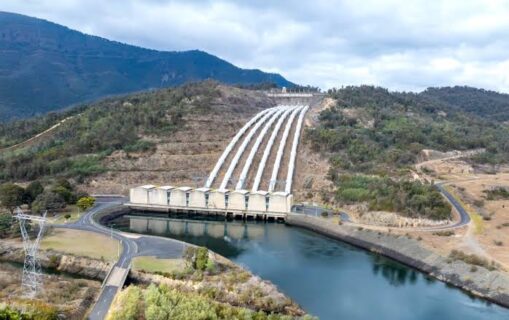
Snowy 2.0 will connect the existing Tantangara and Talbingo reservoirs through approximately 27 kilometers of tunnels. It will also feature an underground power station at Lobs Hole, with six reversible turbines and pumping capabilities.
The facility will add 2,200 megawatts of capacity to the wider Snowy Mountains Hydro-electric Scheme. This will enable the system to store surplus electricity from wind and solar generation and release power when demand increases.
Snowy Hydro’s published program targeted first power during the second half of 2027, followed by full commercial operation in December 2028. However, continuing delivery pressures and cost scrutiny could affect confidence in these milestones.
The project’s eventual cost and completion schedule will determine whether the expanded facility delivers value for Australian electricity consumers. Meanwhile, scrutiny of contractor performance and financial oversight will remain central to its delivery.
The project highlights the construction and cost pressures facing Australia’s major energy infrastructure developments. Meanwhile, the Summerfield Battery Project begins commissioning as its 240MW/960MWh storage facility faces competition from larger battery developments. This milestone reflects Australia’s parallel investment in grid-scale battery storage to support renewable electricity generation and strengthen grid flexibility.
Also read: $1.4bn Warradarge Hybrid Energy Project: SynergyRED Plans a 500MW Solar and BESS Construction
Project Fact Sheet
Name: Snowy 2.0 pumped-hydro expansion.
Location: Snowy Mountains, New South Wales, Australia.
Owner: Snowy Hydro Limited.
Original estimated capital cost: A$6.1 billion in 2018.
Revised estimated cost: A$12 billion in 2023, approximately $7.8 billion using an indicative exchange rate.
Expenditure recorded: A$11.1 billion as of March 31, 2026.
Generating capacity: 2,200 megawatts of additional capacity.
Main construction components: Approximately 27 kilometers of tunnels, an underground power station and six reversible turbines.
Reservoirs: Tantangara and Talbingo.
Construction contractor: Future Generation Joint Venture.
Contract arrangement: Incentivized target-cost model following the September 2023 reset.
Target completion: December 2028 for commercial operation of all units, according to the published schedule.
Main purpose: Energy storage, grid stability and support for renewable electricity generation.
Project Team
Owner and client: Snowy Hydro Limited.
Principal civil works contractor: Future Generation Joint Venture.
Major construction partner: Webuild S.p.A.
Australian construction partner: Clough Projects Australia.
Construction partner: The Lane Construction Corporation.
Electromechanical technology subcontractor: Voith Hydro GmbH & Co.
Government oversight: Australian Government, through its ownership of Snowy Hydro.
Independent audit and scrutiny: Australian National Audit Office.

Leave a Reply