Constructionreview

Blog

  • Redmond City Council, Oregon, Approves $117M for Major Airport Terminal Expansion

    Redmond City Council, Oregon, Approves $117M for Major Airport Terminal Expansion

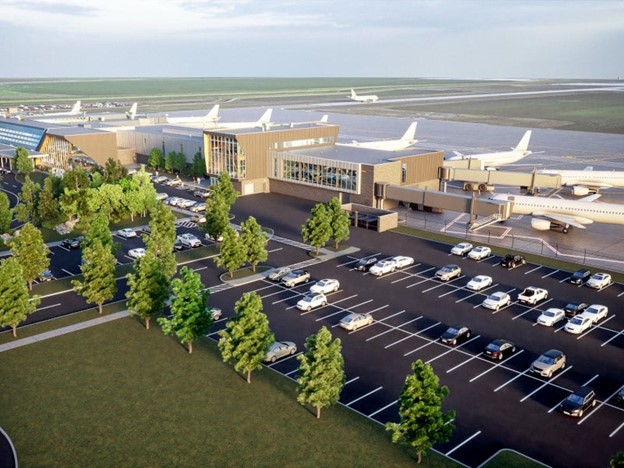
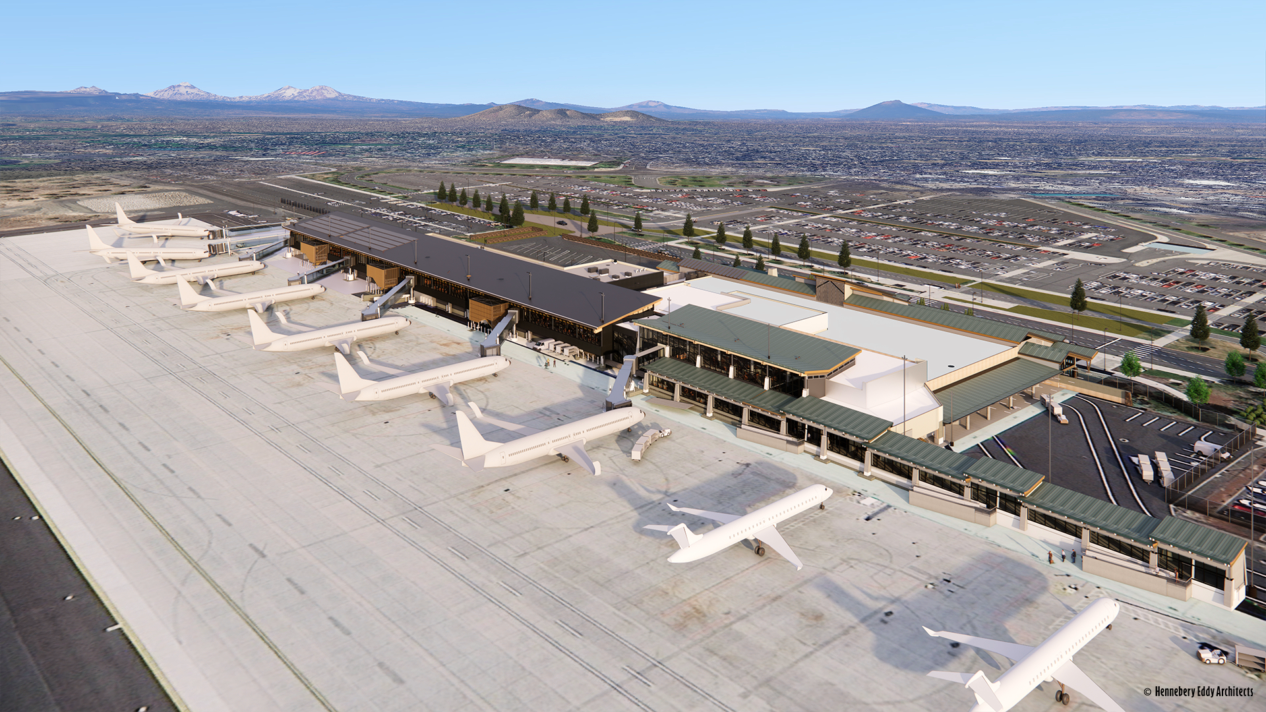
    On Tuesday night, the Redmond City Council approved a massive $117.8 million investment to kickstart the Terminal Expansion Project at Redmond Municipal Airport. Although Councilors Kathryn Osborne and Jay Patrick were absent from the meeting, the motion passed with strong support. The funding will come from a combination of federal and state grants, loans, and the airport’s own revenue stream. According to Airport Director Zachary Bass, the upcoming expansion will rival the design and functionality of terminals at major airports across the nation.

    Bigger, Better, and More Convenient Facilities Ahead

    Bass shared an exciting glimpse of what’s to come. The expansion includes 80,000 square feet of new concourse space and seven new jet bridges, dramatically improving passenger flow and accessibility. Even more exciting, the airport plans to triple its retail and food service offerings. “We’re talking about 6,000 square feet of new retail concessions,” Bass noted. While the exact mix of restaurants and grab-and-go spots hasn’t been finalized, travelers can expect more variety and convenience. Those details are expected to be revealed in the coming months.

    Also Read Firms Prepare Runway Bids for the World’s Largest Airport Project, King Salman International Airport

    More on the Redmond City Airport terminal expansion

    With major construction on the horizon, some growing pains are inevitable. Redmond City Councilor John Neilsen, who also serves on the Airport Committee, urged travelers to remain patient. “Expect to arrive earlier. There will be some pain points and frustrations during construction,” he said. “But in the long term, the additional jet bridges, improved holding areas, and expanded amenities will be well worth the wait.” The project is projected to take two years to complete, with work expected to begin soon.

    Southwest Airlines Still on the Radar

    Although the current project does not include the addition of new routes, Bass confirmed that expanding airline service remains a top priority. When asked which airline tops his wish list, he didn’t hesitate: “We’re always looking at new airlines, and Southwest has been at the top of that list for a while now.” He also mentioned that while some federal funds are tied to the project, the airport has backup funding options should those grants become unavailable. With strong planning in place, the airport is well-positioned for a future of growth, even beyond the terminal expansion.

    Also Read Pittsburgh International Airport US$1.57 Billion Terminal Transformation

    Project Overview

    Location: Redmond, Oregon

    Total Estimated Cost: Approximately $200 million

    Construction Start Date: Expected to begin in Summer 2025

    Estimated Completion: Two years from the start date

    Project Scope:

    Addition of nearly 100,000 square feet of new terminal space

    Construction of a new second-floor concourse

    Installation of seven new jet bridges

    Expansion of retail concessions and restrooms

    Enhancements to ADA accessibility and energy efficiency

    Contracting Method: Design-Bid-Build

    Primary Contractor: Skanska USA Building, Inc.

    Design and Engineering Partners:

    RS&H (Lead Design Firm)

    Hennebery Eddy Architects

    Morrison-Maierle (Engineering Services)
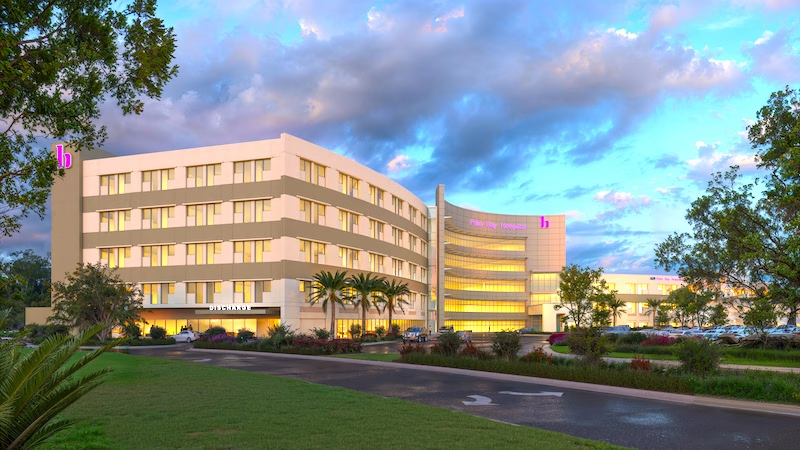
  • Health First Unveils $230M Expansion of Palm Bay Hospital to Meet Surging Community Needs

    Health First Unveils $230M Expansion of Palm Bay Hospital to Meet Surging Community Needs

    Brevard County-based Health First has announced a bold $230 million expansion project for Palm Bay Hospital, aimed at significantly boosting the hospital’s capacity and modernizing its services to keep pace with the region’s rapid growth. The project includes the construction of a new five-story patient tower, with the schematic design phase set to begin in August 2025 and construction slated to start in summer 2026. Completion is expected by 2028.

    Transformative Additions and Capacity Boost

    The new patient tower will be a game-changer for the hospital, adding 60 inpatient beds to alleviate current capacity challenges. Key features of the expansion include:

    Expanded operating rooms, catheterization (Cath) labs, and pre-op/recovery spaces

    An upgraded Sterile Processing Department to support clinical operations

    Two shelled floors designed for future growth, potentially allowing for up to 60 additional beds

    Relocated and doubled operating rooms, Cath labs, and surgical prep areas

    Improved hospital navigation, enhanced patient experience, and expanded parking for visitors and staff

    A Facility Built for the Future

    Currently located on Malabar Road, Palm Bay Hospital houses 120 beds, employs over 200 physicians, and offers more than 40 medical specialties. In 2024 alone, its 27-bed Emergency Department treated over 53,000 emergency cases.

    Originally built in 1992 as a 60-bed micro-hospital, Palm Bay Hospital has seen several expansions over the years. However, the facility was not originally designed to accommodate the explosive population growth Palm Bay and Brevard County have experienced in the last decade.

    “As we have for over 30 years, Health First is committed to growing with and meeting the needs of our community,” said Health First President and CEO Terry Forde. “This Palm Bay Hospital expansion project is one of many ambitious investments we have long planned, and we’re very proud and excited to see these plans quickly becoming a reality.”

    Read also: Nemours Children’s Health Announces $300M Expansion for Lake Nona Hospital, FL.

    Community-Driven Vision

    Palm Bay is the fastest-growing city in Brevard County and among the most rapidly growing in the United States. The expansion is driven by the healthcare system’s ongoing commitment to serve its growing population.

    “Palm Bay Hospital has faithfully served the south Brevard community since 1992,” said Kyle Baxter, President of Palm Bay Hospital. “I join our associates, providers, and volunteers in expressing our pride and excitement for this expansion that will improve access to quality care and enhance the health and wellness of our community.”

    Part of a Broader Healthcare Overhaul

    This major investment is part of Health First’s broader, nearly $800 million healthcare transformation across Brevard County. It follows the recent closure of the system’s Rockledge hospital as the organization realigns resources to better serve its communities.

    Health First has not yet announced the design or construction firms involved in the Palm Bay project. The architect, engineers, and general contractor are expected to be named before the schematic design phase begins in August 2025.

    Read also: Sunnyvale to Welcome New El Camino Health Rehabilitation Hospital by 2027

    Palm Bay Hospital Expansion Project Fact Sheet

    Project Overview

    Project Value: $230 million

    Location: Palm Bay Hospital, Malabar Road, Brevard County, Florida

    Owner: Health First

    Timeline: Schematic design begins August 2025, construction starts summer 2026, completion expected 2028

    Project Scope

    New Construction: Five-story patient tower

    Capacity Addition: 60 new inpatient beds (doubling current capacity)

    Future Expansion: Two shelled floors for potential 60 additional beds

    Health First’s Palm Bay Hospital expansion: Key Features

    Expanded operating rooms, catheterization labs, and pre-op/recovery spaces

    Upgraded Sterile Processing Department

    Relocated and doubled surgical facilities

    Enhanced hospital navigation and patient experience

    Expanded parking for visitors and staff

    Current Facility Profile

    Beds: 120 inpatient beds

    Staff: Over 200 physicians

    Specialties: More than 40 medical specialties

    Emergency Department: 27 beds serving 53,000+ cases annually (2024)

    History: Built in 1992 as 60-bed micro-hospital, expanded multiple

    Read also: Ascension Saint Thomas to Build $148M Hospital in Clarksville, TN

  • 200MW Summit Lake Solar Project Mn Update

    200MW Summit Lake Solar Project Mn Update

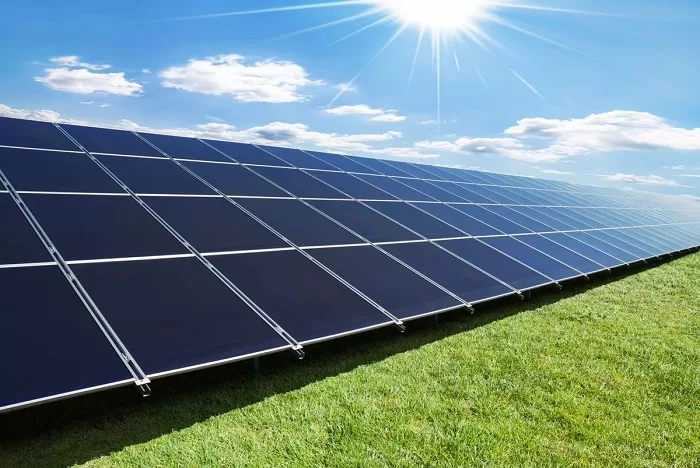
    The Summit Lake Solar Project is a 200-megawatt (MW) solar facility and an accompanying 200 MW / 800 megawatt-hour (MWh) battery energy storage system (BESS) being developed in Summit Lake and Elk Townships, Nobles County. Plans for the Summit Lake Solar Project were introduced in May 2025 by National Grid Renewables, marking a significant step forward for clean energy in southern Minnesota.

    The solar farm will cover approximately 1,800 acres of land near the Nobles Substation northwest of Reading in Summit Lake Township. The BESS will be constructed adjacent to the collector substation, forming a major renewable energy installation in the region.

    New projects in the last two months of July and August 2025 approved by the Public Utilities Commission (PUC) mean an additional 910MW of solar power projects will be coming to Minnesota.

    Project Timeline and Goals

    Tom Karas, Senior Project Developer with National Grid Renewables, presented the Summit Lake Solar Project plans to the Nobles County Board of Commissioners. He explained that the company is still in the early stages and aims to submit its permit application by the end of 2025. If approved, construction would begin soon after, with completion expected in 2027.

    Once operational, the solar farm will connect to the existing 345KV Nobles Substation and feed power directly into the electrical grid. The project is projected to reduce carbon dioxide emissions by approximately 297,900 metric tons each year, helping meet state and national climate goals.

    Economic and Employment Benefits

    In addition to environmental benefits, the Summit Lake Solar Project is expected to bring significant economic advantages to the local community. The $27 million investment will create 254 construction jobs and contribute new tax revenues to both the county and township governments. The cost of the project will be amortized over 20 years, delivering long-term value to the region.


    picture
    2 Solar Projects Totaling 450MW Coming to New York

    Community Reactions and Agricultural Concerns

    During the presentation, some commissioners expressed concerns about the impact of the project on agricultural land. Commissioner Bob Demuth Jr. emphasized Nobles County’s commitment to agricultural preservation and questioned the trade-offs involved in taking 1,800 acres out of production.

    “We’ve taken the stance that we’re an ag preservation county,” Demuth said. “This is going to take 1,800 acres out of production. I’m not against the project, but I need to weigh the pluses and minuses before making a decision.”

    Commissioner Gene Metz added that removing farmland from production affects more than just landowners. “For every acre of agriculture taken out, that’s $400 to $500 in input dollars not spent locally. That’s money not going into seed, equipment, or Main Street businesses.”

    Broader Renewable Strategy

    The Summit Lake Solar Project is part of a broader regional strategy by National Grid Renewables. Additional solar and storage projects are being planned in Pipestone County, near Charlotte Lake in Martin County, and a potential future site in Rock County’s Elk Creek area.

    Fact Sheet: Summit Lake Solar Project

    Developer: National Grid Renewables
    Location: Summit Lake & Elk Townships, Nobles County, Minnesota
    Solar Capacity: 200 MW AC
    Battery Storage: 200 MW / 800 MWh
    Land Area: 1,800 acres
    Grid Connection: 345KV Nobles Substation
    Estimated Cost: $27 million
    Expected Completion: 2027
    Emissions Reduction: 297,900 metric tons of CO₂ annually
    Job Creation: 254 construction jobs
    Other Projects: Pipestone County, Martin County, Rock County

    The Summit Lake Solar Project is positioned to become a landmark renewable energy installation in southern Minnesota, balancing environmental benefits with economic development and local concerns.

  • Historic East Haddam Swing Bridge Reopens After $88.8M Rehabilitation

    Historic East Haddam Swing Bridge Reopens After $88.8M Rehabilitation

    The historic East Haddam Swing Bridge reopens to the public following the successful completion of a major $88.8 million rehabilitation project aimed at preserving its legacy while enhancing safety and functionality.

    At a press event marking the reopening, Governor Ned Lamont was joined by Connecticut Transportation Commissioner Garrett Eucalitto and Congressman Joe Courtney to celebrate the bridge’s transformation. “The East Haddam Swing Bridge is both a transportation lifeline and a state landmark,” Governor Lamont stated. “Thanks to this investment from the Bipartisan Infrastructure Law, we’re preserving a key piece of infrastructure for the next generation while making it safer and more accessible for everyone who uses it.”

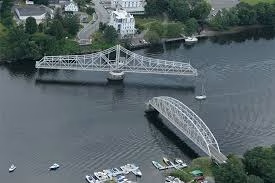
    The bridge, which carries Route 82 over the Connecticut River between the towns of Haddam and East Haddam, underwent a full rehabilitation led by the Connecticut Department of Transportation (CTDOT). The project was funded through a mix of 80% federal and 20% state resources, with construction taking place between September 2022 and May 2025—completed on time and on budget.

    Originally built in 1913 by the American Bridge Company, the East Haddam Swing Bridge has once again been revitalized by the same company more than a century later. The work brings the bridge into the 21st century while preserving its historic integrity.

    Key upgrades include new mechanical and electrical systems, substructure repairs, and a roof replacement, all aimed at improving structural performance and reliability. With over 12,000 vehicles crossing the bridge daily, these enhancements are critical for long-term safety and durability.

    New sidewalk

    Notably, a new sidewalk was installed on the south side of the bridge, connecting to recently built sidewalks on both sides of the river. This provides a safer and more accessible route for pedestrians and cyclists, a feature long requested by the local community.

    “We’re no longer applying a ‘band-aid’ fix. This full rehabilitation ensures the East Haddam Swing Bridge will continue serving Connecticut for many decades to come,” said Commissioner Eucalitto. “We’re grateful to the Haddam and East Haddam communities for their patience and partnership during construction, and we’re proud of the improvements made.”

    Read also: ALDOT Moves Forward with Mobile River Bridge and Bayway Project Under New Construction Team

    Project Funding

    Congressman Courtney highlighted the broader significance of the project, calling it “a stellar example of how federal infrastructure dollars are supposed to work.” He noted that over $70 million of the funding came from the Bipartisan Infrastructure Law, enabling a “long-overdue, full-scale rehabilitation of a 112-year-old bridge that is safer for both motorists and pedestrians, while retaining its unique design.”

    The swing bridge consists of four spans, including a moveable section that had been facing operational issues. While the bridge had undergone several rounds of repairs in past decades—including in 1988, 1998, 1999, 2007, and 2016. This is the first time it has received a comprehensive overhaul.

    The rehabilitation was executed by the American Bridge Company and managed by CTDOT. The project design was completed in 2021 in collaboration with Hardesty & Hanover, an engineering firm renowned for its expertise in movable bridge systems.

    With the completion of this project, the East Haddam Swing Bridge stands ready to serve the region for generations to come—stronger, safer, and more accessible than ever.

    Read also: Kiewit Hired as Construction Manager for $800M I-55 Bridge Replacement

    East Haddam Swing Bridge Rehabilitation Project Factsheet

    Project Overview

    Location: Route 82 over Connecticut River, connecting Haddam and East Haddam, Connecticut

    Total Investment: $88.8 million

    Construction Period: September 2022 – May 2025

    Status: Completed on time and on budget

    Historical Context

    Original Construction: 1913 by American Bridge Company

    Bridge Age: 112 years old at completion of rehabilitation

    Previous Repairs: 1988, 1998, 1999, 2007, 2016

    Significance: Historic state landmark and critical transportation lifeline

    Funding Structure

    Federal Funding: 80% (~$70+ million from Bipartisan Infrastructure Law)

    State Funding: 20%

    Lead Agency: Connecticut Department of Transportation (CTDOT)

    East Haddam Swing Bridge reopens: Key Improvements

    Complete mechanical and electrical systems replacement

    Substructure repairs and reinforcement

    New roof installation

    New sidewalk on south side connecting to existing pedestrian infrastructure

    Enhanced structural performance and reliability

    Preserved historic integrity while modernizing functionality

    Project Team

    Constructor: American Bridge Company (same company as original 1913 construction)

    Project Manager: Connecticut Department of Transportation

    Design Partner: Hardesty & Hanover (movable bridge specialists)

    Design Completion: 2021

    Impact & Usage

    Daily Traffic: Over 12,000 vehicles

    Bridge Type: Four-span swing bridge with moveable section

    Enhanced Safety: Improved access for both motorists and pedestrians/cyclists

    Community Benefit: Addresses long-standing local requests for pedestrian infrastructure

    Read also: NASA Breaks Ground on New Causeway Bridge in Wallops Island, Virginia

  • Chinese Banks Fund 85% of Egypt’s $3 Billion New Administrative Capital’s CBD Towers

    Chinese Banks Fund 85% of Egypt’s $3 Billion New Administrative Capital’s CBD Towers

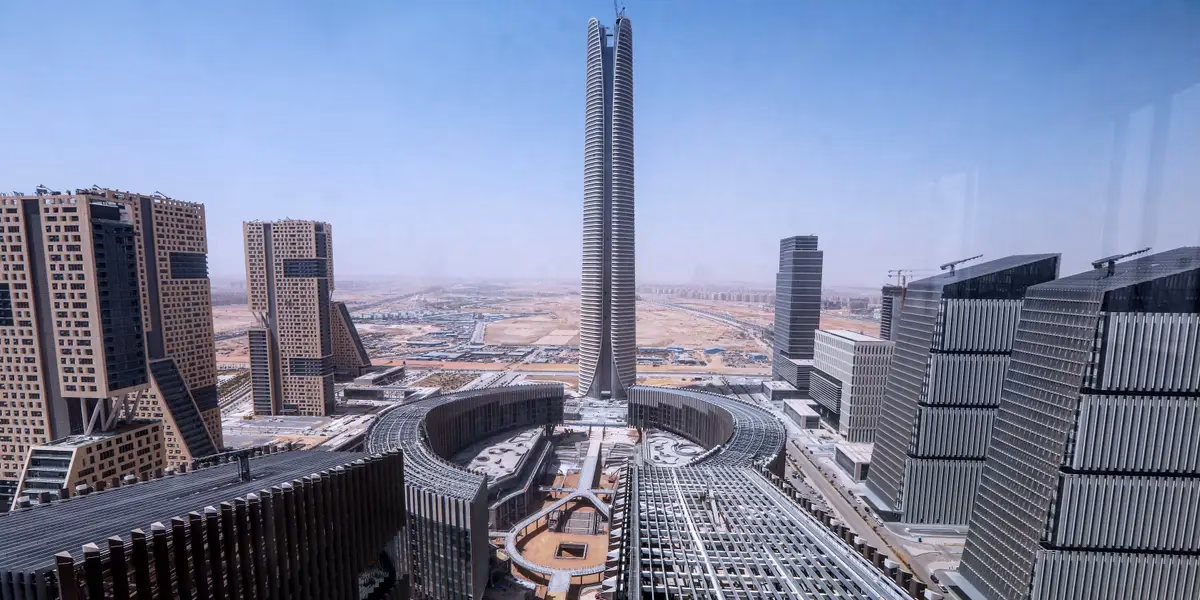
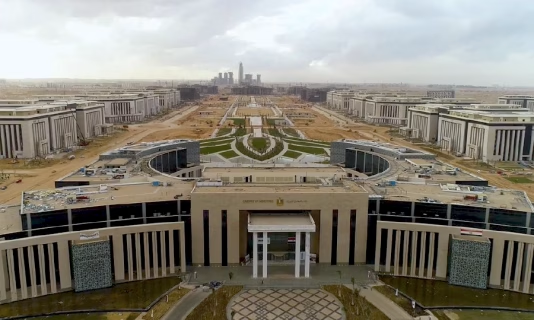
    Egypt’s New Administrative Capital is seeing a big leap in the construction level. The Industrial and Commercial Bank of China (ICBC)-led consortium financed 85% of the $3.8 billion central business district (CBD) project. This includes the construction of 20 towers. The Egyptian government covered the remaining 15% of the cost. According to Asharq Business, 15 towers are now ready for handover, to be initiated next month.

    Meanwhile, five towers are still being constructed by China State Construction Engineering Corporation (CSCEC). They will be completed according to an agreed schedule, although specific dates were not given. The Chinese bank loan will be paid back within 10 years from the handover date. Notably, the skyscraper, which is still under construction, will have a height of 345 meters, the highest in Africa. The achievement marks a crucial phase in the Egypt’s New Administrative Capital project.

    Also read:

    Plans in for Construction of Green River Tower in New Administrative Capital, Egypt

    Significance and Scope of Implementation on Egypt’s New Administrative Capital

    The development of the CBD of Egypt’s New Administrative Capital is an indicator of sound international cooperation. It highlights China’s growing investment in mega African infrastructure. It further confirms Egypt’s aspiration to create a new, well-planned city center to the east of Cairo. Tower construction is but one piece of the larger scheme, which also involves residential areas, government buildings, and business districts. Implementation is, however, currently focused on the skyscraper business district. Comprising half a square kilometer, the project is also a component of an allied drive within a much larger urban planning scheme.

    Egypt’s New Administrative Capital
    Egypt’s New Administrative Capital is seeing a big leap in the construction level

    Although initial plans have swayed between UAE and Chinese involvement, Egypt has now secured the building with ensured financial and technical backing. Specifically, the work of this phase is limited to the tower construction of the central area. Future expansion will depend on ongoing financing and political backing. Meanwhile, the successful completion approach of towers helps ensure the project’s feasibility.

    Also read:

    New Administrative Capital towers handover to begin at end of 2021

    Vivid Tower Project in Egypt’s New Administrative Capital launched

  • Axed 450MW Moonlight Range Wind Farm Project in Queensland; What Lessons Can Be Learn?

    Axed 450MW Moonlight Range Wind Farm Project in Queensland; What Lessons Can Be Learn?

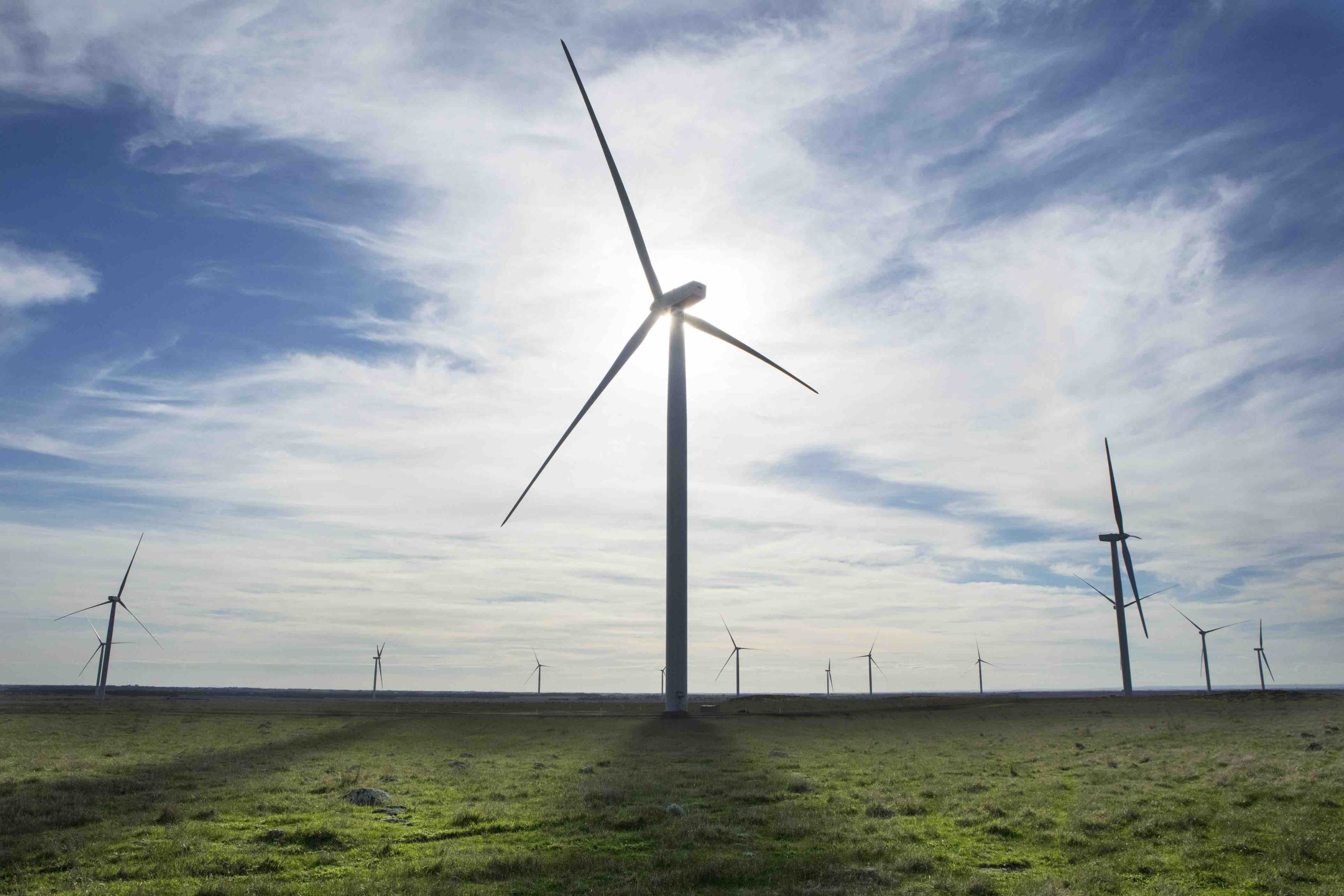
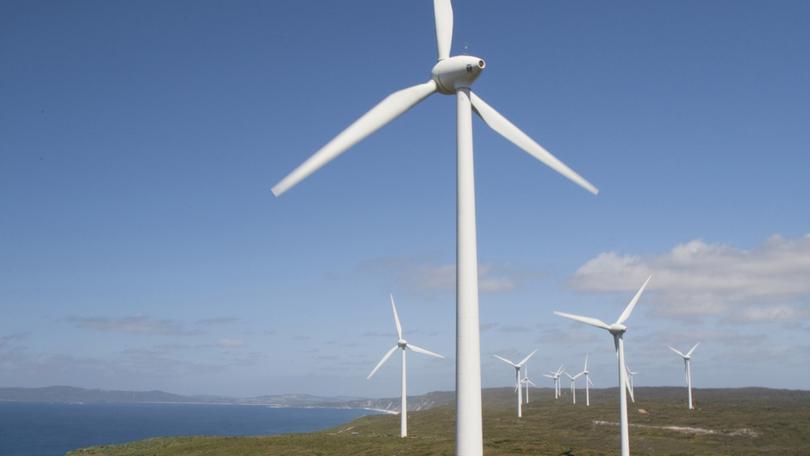
    The cancellation of the $1 billion Moonlight Range Wind Farm Project in Central Queensland offers important lessons for developers, policymakers, and clean energy advocates. Despite its potential to power over 260,000 homes annually, the project was halted by Deputy Premier Jarrod Bleijie, who used ministerial powers to reject the development. The decision highlights critical gaps in community engagement, planning strategy, and environmental alignment that future renewable projects must address.

    Community Support Is Non-Negotiable

    One of the key reasons for the project’s downfall was overwhelming community opposition. During a two-month consultation period, 88% of local submissions opposed the project. Concerns ranged from strain on local accommodation due to construction workers, to a perceived lack of transparency and genuine consultation.

    Deputy Premier Bleijie emphasized that major developments must have community buy-in—just like projects in mining, agriculture, or gas. Future renewable projects must prioritize early, honest, and ongoing engagement with residents to avoid similar backlash.

    Environmental Considerations Cannot Be an Afterthought

    While the Moonlight Range Wind Farm aimed to boost clean energy generation, environmental concerns proved equally important. Graziers voiced fears about the impact on native flora and fauna in the region. Environmental groups echoed these sentiments, warning that without a statewide framework for managing the impact of renewables, similar projects may face the same fate.

    Lesson learned: even green projects need to meet high environmental standards, and developers must proactively conduct and communicate environmental impact assessments.


    picture
    Acciona Energy’s Bellwether Project in Australia: World’s Second Largest Onshore Wind Farm

    Regulatory Clarity and Consistency Matter

    Despite being approved by the State Assessment and Referral Agency in 2024, the project was overturned in 2025 after a ministerial reassessment. This regulatory uncertainty sends mixed signals to investors and developers. Stephanie Gray of the Queensland Conservation Council warned that Queensland could be perceived as “closed for clean energy business” if the government doesn’t offer more predictable approval processes.

    To attract long-term investment in renewables, consistent planning laws and clearer environmental policies are essential.

    Balanced Energy Strategy Is Key

    Some locals expressed concern about Queensland rushing into renewables. As one local stated, “We need to steady down… a mixture of energy would be good.” This reflects a broader lesson: transitioning to renewables must be inclusive and deliberate, with room for hybrid solutions and flexibility.

    Factsheet: Moonlight Range Wind Farm Project

    • Location: Morinish, 40 km northwest of Rockhampton, QLD

    • Developer: Greenleaf Renewables and Brookfield Renewable

    • Capacity: 450 megawatts (MW)

    • Components: 88 wind turbines (280m tip height), Battery Energy Storage System (BESS)

    • Estimated Output: Enough for 260,000 homes annually

    • Construction Start: Planned for 2026

    • Jobs: 300 during construction, 10 ongoing

    • Project Status: Cancelled (May 22, 2025)

    • Primary Issues: Community opposition (88%), environmental concerns, regulatory reversal

    • Decision Authority: Deputy Premier Jarrod Bleijie under new planning laws